
Understanding Construction Safety Training
Importance of Construction Safety Training
Construction sites are inherently hazardous environments where employees face various risks, from falling objects to machinery accidents. This makes construction safety training not just beneficial but essential. Proper training equips workers with the knowledge and skills necessary to recognize hazards and adopt safer work practices, ultimately reducing workplace incidents and injuries.
Moreover, a commitment to safety can lead to enhanced productivity. Workers who feel safe are more likely to focus on their tasks without distraction. Besides, a strong safety culture can enhance a company’s reputation, attracting top talent and promoting employee retention.
Key Components of Effective Training
Effective construction safety training should encompass various components to ensure its impact. These include:
- Risk Assessment: Training should start with a thorough risk assessment to identify specific hazards present at the site.
- Safety Procedures: Establishing clear guidelines and procedures for dealing with identified risks is crucial.
- PPE Usage: Training workers on the proper use of personal protective equipment (PPE) designed for their specific tasks and environments.
- Emergency Response: Preparing employees for emergency situations, ensuring they know evacuation routes and emergency procedures.
- Hands-On Experience: Incorporating practical exercises to provide real-world experience in a controlled setting.
Common Challenges in Training Implementation
Implementing construction safety training is not without its challenges. Frequently encountered issues include:
- Resource Constraints: Limited budgets can restrict the quality and frequency of training sessions.
- Employee Engagement: Engaging workers and ensuring they understand the importance of safety training can be difficult, especially for those new to the industry.
- Compliance Issues: Navigating the myriad of regulations and ensuring that training meets all required standards can be overwhelming.
Overcoming these challenges often involves a commitment from all levels of management, ensuring that safety training is prioritized and adequately resourced.
Types of Construction Safety Training
Hands-On Training Techniques
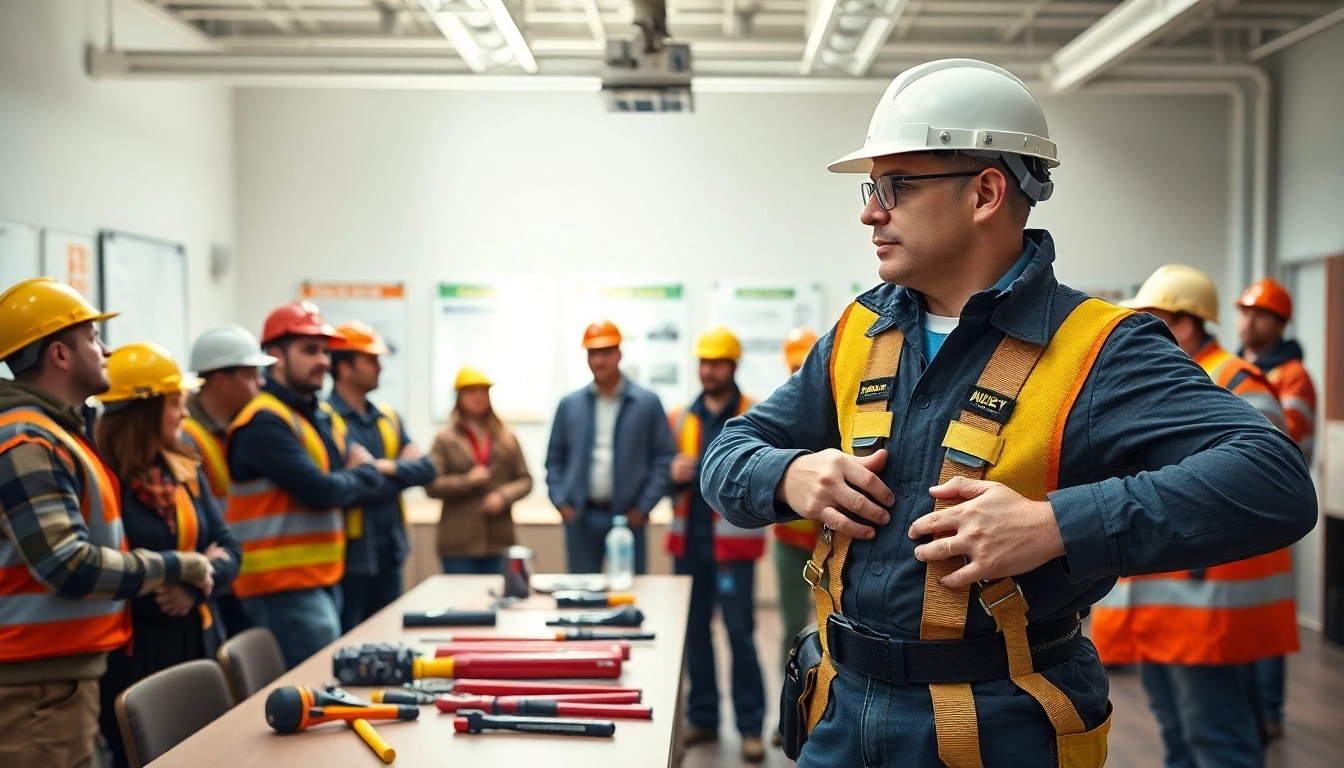
Hands-on training is vital in the construction industry, where real-life applications can significantly boost understanding. Techniques include practical demonstrations of safety equipment, emergency scenarios, and supervised task performance. This immersive experience helps employees become proficient in safety practices that can save lives.
Online vs. In-Person Training
The rise of technology has introduced online training platforms, which offer flexibility and accessibility for trainers and students alike. However, in-person training still has its advantages, particularly concerning hands-on skills. A blended approach often proves most effective, combining the flexibility of online resources with the critical hands-on experience of traditional training.
Industry-Specific Safety Programs
Different construction sectors (e.g., residential, commercial, and infrastructure) often face unique hazards. Tailoring safety training programs to fit specific industry requirements ensures relevance and enhances effectiveness. Such tailored programs not only address common safety concerns but also integrate industry-specific regulations and practices.
Best Practices for Training Delivery
Creating an Engaging Learning Environment
An engaging learning environment encourages participation and retention of information. This can be achieved through interactive elements such as quizzes, group discussions, and hands-on activities that relate to the real-world experiences of trainees.
Utilizing Real-Life Scenarios for Training
Employing real-life scenarios in training sessions can greatly enhance the understanding of risks and appropriate responses. Case studies from similar work environments can facilitate discussion and provide concrete examples, making training relatable and memorable.
Measuring Training Effectiveness
To ensure that training programs are effective, companies should establish metrics for evaluation. This could include pre- and post-training assessments, regular safety audits, and feedback surveys from participants. Continually measuring and refining training initiatives based on these insights leads to ongoing improvement.
Safety Regulations and Compliance
Understanding OSHA Standards
The Occupational Safety and Health Administration (OSHA) mandates specific regulations that employers must follow to ensure worker safety. Understanding these standards is crucial for developing compliant safety training programs. Regularly updating training content with the latest OSHA requirements is also vital to maintain compliance and avoid penalties.
Documentation and Reporting Procedures
Effective documentation is fundamental for compliance tracking. Each training session should be documented, detailing participant attendance, training materials, and topics covered. This information is essential for audits and helps build a culture of accountability and transparency within the organization.
Best Practices for Compliance Tracking
Establishing a robust compliance tracking system helps ensure adherence to safety regulations. Using software solutions can facilitate the recording of training events, renewal dates, and necessary certifications, allowing companies to stay ahead of any compliance requirements.
Future Trends in Construction Safety Training
Technological Advancements in Training
With technology continuously evolving, innovative training solutions such as virtual reality (VR) and augmented reality (AR) are emerging in construction safety training. These technologies allow workers to experience simulated hazardous situations safely, enhancing their reaction to real-life events without the associated risks.
Focus on Mental Health and Wellbeing
A growing recognition of the importance of mental health in safety performance is influencing training programs. Initiatives that promote mental well-being can significantly impact a worker’s ability to perform safely. Incorporating mental health resources alongside safety training demonstrates a comprehensive approach to worker welfare.
Expanding Accessibility in Training Programs
Not all workers have the same access to training resources. Future trends will need to emphasize inclusivity, ensuring that safety training is accessible to workers with various learning styles and abilities. This may include multilingual resources, simplified materials, and flexible delivery options to accommodate all workers.
FAQs
What is construction safety training?
Construction safety training teaches workers about the hazards on job sites and how to prevent accidents, ensuring a safer work environment.
Why is training important in construction?
Training is vital to reduce accidents and injuries on construction sites, foster a culture of safety, and comply with legal regulations.
What are OSHA standards?
OSHA standards are regulations set by the Occupational Safety and Health Administration that establish minimum safety and health requirements for workplaces.
What are the delivery methods for safety training?
Safety training can be delivered through hands-on experiences, online modules, instructor-led classes, and blended learning approaches.
How can training effectiveness be measured?
Training effectiveness can be measured through assessments, participant feedback, incident tracking, and regular safety audits to evaluate knowledge retention.