
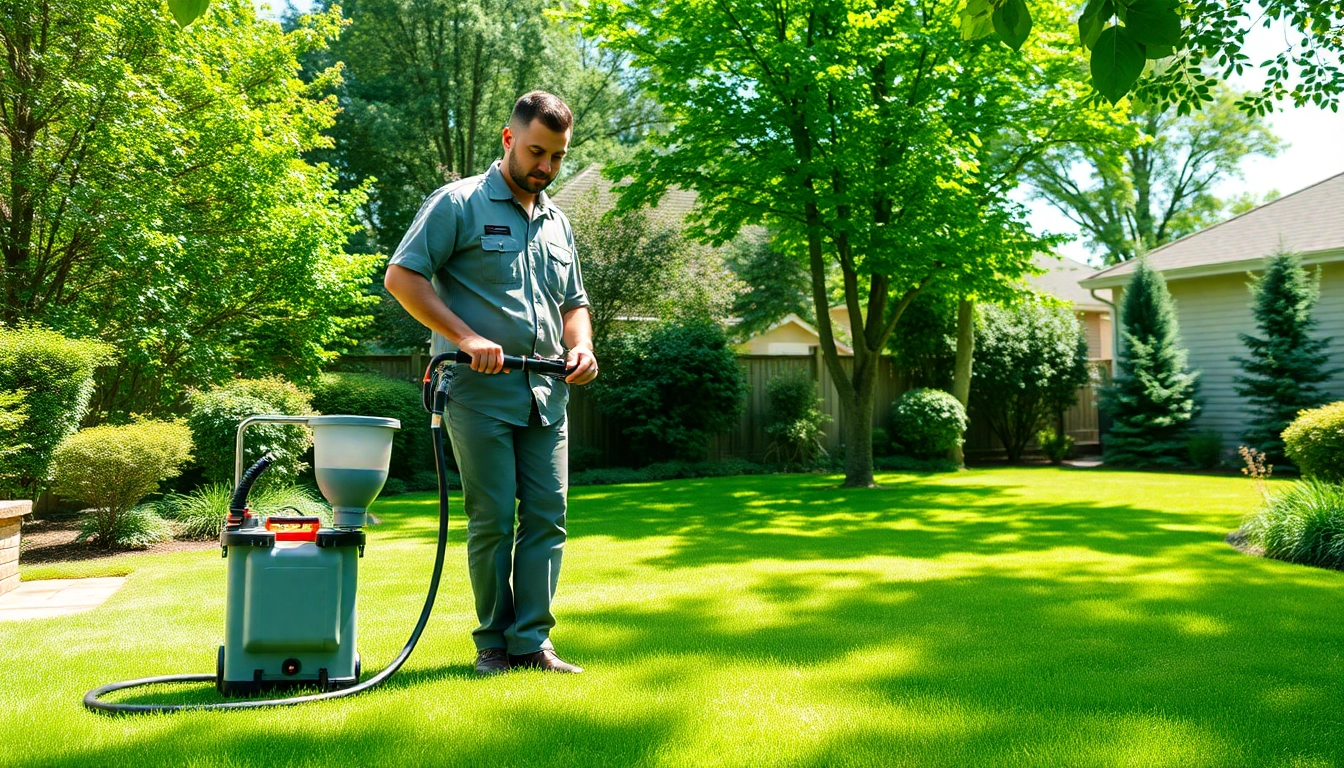
Understanding Emergency Insect Control
What Is Emergency Insect Control?
Emergency insect control refers to the immediate actions taken to eradicate or manage a widespread infestation of insects in a residential or commercial setting. This kind of control is crucial when facing an outbreak that poses health risks or damages property. In situations where the presence of insects can disrupt daily activities, such as ants invading a kitchen or termites compromising structural integrity, prompt intervention is essential. Employing emergency insect control strategies can significantly mitigate potential hazards, protect health, and ensure peace of mind.
Common Situations Requiring Emergency Insect Control
Emergency insect control can arise in various circumstances, often characterized by rapid infestations or serious consequences. Some of the most common situations include:
- Food Safety Risks: Pests like roaches, ants, and flies not only contaminate food but can also pose significant health risks.
- Public Health Threats: Insects such as mosquitoes can transmit dangerous diseases, prompting urgent control measures.
- Property Damage: Termites and carpenter ants can cause substantial structural damage if not addressed immediately.
- Allergic Reactions: Pests such as bedbugs and wasps can trigger allergic reactions, requiring swift action.
Benefits of Timely Emergency Insect Control
Acting quickly against pest infestations provides numerous advantages:
- Health Protection: Immediate intervention safeguards health by eliminating disease vectors and allergens.
- Cost Efficiency: Preventing extensive damage to property saves on potentially astronomical repair costs.
- Peace of Mind: Knowing that pests are effectively managed allows occupants to feel secure in their environment.
- Preservation of Property Value: Timely intervention maintains the value of your home or business by avoiding extensive infestations.
Identifying Common Pests
Top Insects Needing Immediate Attention
Not all insects are inherently harmful, but several can wreak havoc when infestations occur. It’s essential to identify which pests require rapid control:
- Termites: Silent destroyers that can compromise a building’s structure.
- Bedbugs: Nuisance pests that cause sleepless nights and can lead to emotional distress.
- Wasps: Aggressive insects that can sting multiple times, posing danger to inhabitants, especially children.
- Rodents: While not insects, they are often grouped with emergency infestations due to the diseases they carry and their ability to reproduce rapidly.
Signs of Pest Infestation
Recognizing the signs of an infestation can allow for timely control measures. Look for the following indicators:
- Droppings: Small fecal pellets can indicate the presence of rodents or insects like cockroaches.
- Nests: Built by ants, bees, or wasps, nests inside or around your property signal a looming infestation.
- Food Damage: Chewed packaging or holes in food items can point to pest activity.
- Visible Insects: Seeing pests scuttling about is often the clearest sign of an infestation.
Health Risks Associated with Common Pests
The risks posed by insects extend beyond mere annoyance. Here are some health concerns commonly associated with pests:
- Allergies and Asthma: Dust mites and cockroach droppings can trigger asthma or allergic responses.
- Diseases: Mosquitoes and ticks can spread serious illnesses such as Zika or Lyme disease, respectively.
- Food Contamination: Many insects, including flies and rodents, can contaminate food, leading to serious health issues.
Emergency Insect Control Techniques
DIY Emergency Insect Control Methods
For those who prefer to take matters into their own hands, several DIY methods can be effective in keeping pests at bay:
- Boric Acid: This naturally occurring compound can be used against ants and cockroaches.
- Soap and Water: A simple mixture can help suffocate soft-bodied insects like aphids and spider mites.
- Essential Oils: Oils such as peppermint or tea tree can repel various insects when mixed with water and sprayed in affected areas.
- Traps: Sticky traps and baited traps can effectively monitor and reduce insect populations.
When to Call a Professional for Emergency Insect Control
While DIY methods can be effective, certain situations call for professional assistance:
- Severe Infestation: If you encounter a large number of pests or the situation appears unmanageable, professionals can provide potent solutions.
- Health Concerns: If pests present significant health threats, swift professional intervention is vital.
- Repeated Infestations: Persistently facing pest issues may indicate a deeper problem that requires expert evaluation.
- Structural Concerns: Pests like termites necessitate specialized knowledge to assess and remedy structural damage properly.
Using Eco-friendly Solutions in Emergency Insect Control
Increasing environmental awareness has led to the popularity of eco-friendly pest control solutions. These methods prioritize safety for both humans and nature:
- Natural Predators: Introducing beneficial insects can help control harmful pest populations naturally.
- Organic Insecticides: Plant-based sprays and powders can effectively deter pests without harmful chemicals.
- Home Remedies: Ingredients such as diatomaceous earth and vinegar can act as natural insect deterrents.
- Integrated Pest Management (IPM): Combining various methods ensures minimum environmental impact while effectively controlling pests.
Preventing Future Infestations
Best Practices for Home Maintenance
To reduce the likelihood of insect infestations, homeowners can adopt proactive maintenance practices:
- Cleanliness: Regularly clean kitchens and dining areas, eliminating food scraps and crumbs.
- Seal Entry Points: Inspect and seal cracks, windows, and doors to eliminate pathways for pests.
- Proper Waste Management: Use bins with tight-fitting lids and dispose of waste regularly.
- Declutter: Keep areas tidy, reducing potential nesting sites and hiding places for pests.
Landscape Management for Pest Prevention
Outdoor space management also plays a critical role in pest prevention. Consider the following strategies:
- Strategic Planting: Opt for pest-resistant plants that deter common pests and provide natural beauty.
- Water Management: Avoid standing water, as this attracts mosquitoes; ensure proper drainage in gardens.
- Regular Lawn Maintenance: Keep grass trimmed and remove debris that can serve as pest habitats.
- Mulching Wisely: Use mulching carefully to prevent pest hiding places while retaining soil moisture.
Regular Pest Inspections and Their Importance
Routine inspections are vital to catching potential infestations early. Consider implementing:
- Seasonal Checks: Conduct inspections at least twice a year to proactively identify issues before they escalate.
- Guided Assessments: Utilize pest control experts for thorough evaluations and immediate feedback on areas of concern.
- Monitoring Systems: Consider installing monitoring traps in basements or critical areas for early detection of pests.
Frequently Asked Questions about Emergency Insect Control
What steps should I take if I find pests in my home?
Begin by identifying the pest through observation and checking for signs of infestations. Then, remove food sources, vacuum, and seal entry points. If necessary, consider professional help.
Are DIY methods effective for emergency insect control?
Yes, many DIY methods like boric acid or essential oils can be effective. However, their success is contingent upon the type of pest and level of infestation.
How quickly should I act when noticing an infestation?
Action should be taken immediately upon noticing any signs of pests. Prompt intervention can prevent further damage and escalate infestations.
What eco-friendly options are available for emergency insect control?
Eco-friendly options include natural pesticides, essential oils, and introducing beneficial predators. Integrated Pest Management (IPM) strategies are also effective.
How can I prevent future pest problems in my home?
Maintain cleanliness, seal entry points, manage waste effectively, and routinely inspect your property to deter pests and minimize risks of future infestations.