Understanding Japanese Knotweed
What is Japanese Knotweed?
Japanese Knotweed (Fallopia japonica) is an invasive plant species native to East Asia. It was introduced to the UK in the early 19th century for ornamental purposes and erosion control. However, its rapid growth and robust nature have allowed it to spread uncontrollably across various regions. The plant can grow up to 3 meters (about 10 feet) tall, featuring bamboo-like stems, heart-shaped leaves, and clusters of tiny white flowers. Its extensive underground rhizome system makes it particularly difficult to eradicate.
Identifying Japanese Knotweed
Identifying Japanese Knotweed is crucial for effective management and removal. The plant typically emerges in early spring, with green shoots that resemble asparagus. By mid-summer, it has grown tall and bushy, often colonizing large areas. Key identification features include:
- Stems: Hollow, stiff, and can reach up to 3 meters.
- Leaves: Broad, heart or shield-shaped leaves that grow alternately.
- Flowers: Small, creamy-white flowers that bloom in late summer.
- Rhizomes: Thick, fleshy roots that can spread horizontally and vertically, allowing the plant to survive even after mechanical removal attempts.
Why Japanese Knotweed is a Problem
Japanese Knotweed poses a significant threat to local ecosystems and human structures. It can undermine foundations, pavements, and walls due to its vigorous growth and extensive root system, leading to costly repairs. Moreover, it competes with native plant species, reducing biodiversity. The species is considered a controlled waste under UK law, meaning property owners are legally obligated to manage its spread and can face penalties for non-compliance. Thus, effective Japanese Knotweed Removal is essential for property value preservation and ecosystem health.
Methods of Japanese Knotweed Removal
Mechanical Removal Techniques
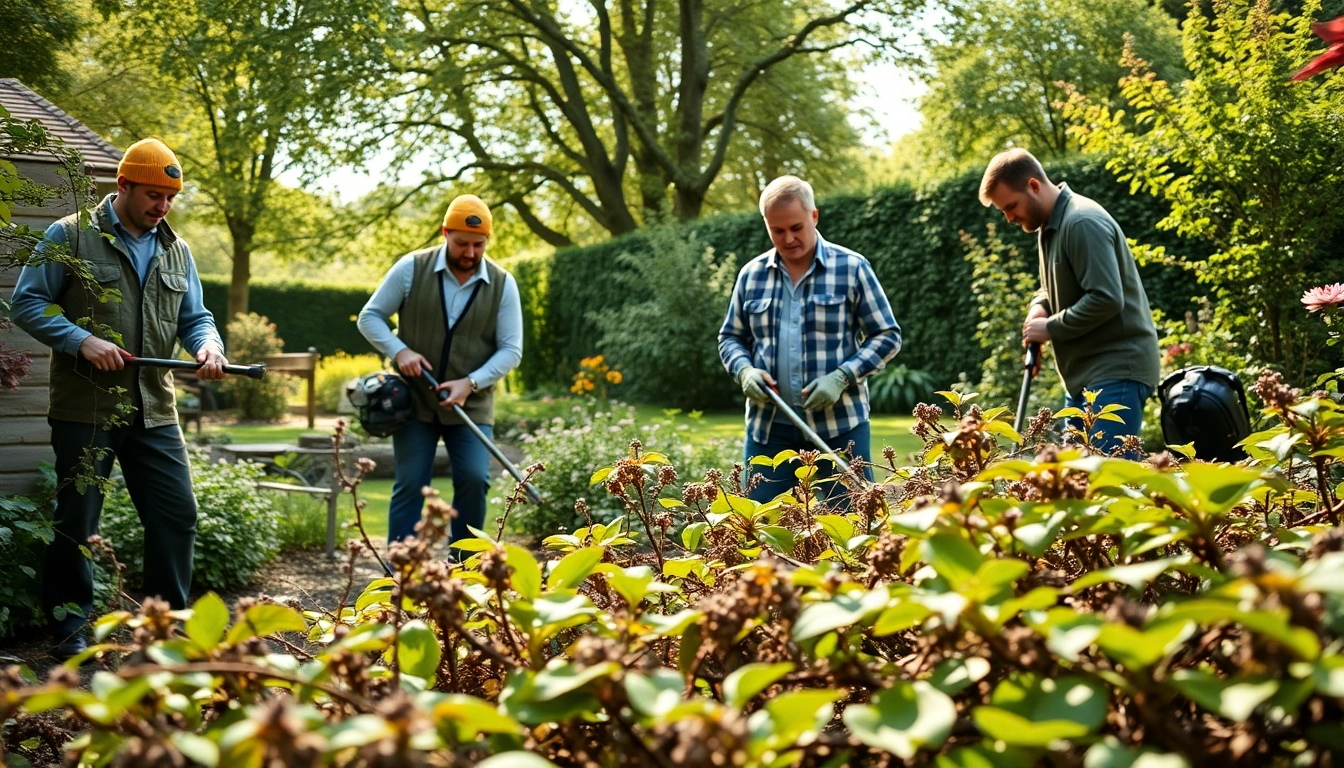
Mechanical removal involves physically digging out the plant and its rhizomes. This technique requires careful execution to ensure that all root fragments are extracted to prevent regrowth. Key steps include:
- Site Assessment: Identify how extensive the infestation is.
- Containment: Create barriers to prevent knotted roots from spreading during removal.
- Excavation: Carefully dig up the entire plant, ensuring to remove all root systems (ideally at least 3 meters deep).
- Disposal: Transport the plant and root material to a landfill licensed to accept invasive species.
While mechanical removal can be effective, it often requires follow-up treatments and monitoring to ensure complete eradication.
Chemical Control Solutions
Chemical control involves applying herbicides specifically designed to target Japanese Knotweed. Glyphosate is a common active ingredient used for this purpose. Here are essential steps to employing chemical methods:
- Product Selection: Choose a glyphosate-based herbicide or one recommended for invasive plant management.
- Application Timing: Apply during the growing season for optimal absorption, usually mid-summer.
- Reapplication: Multiple treatments may be necessary, typically spaced 4-6 weeks apart.
- Safety Precautions: Ensure safe application by wearing protective gear and informing nearby residents.
Chemical solutions can be highly effective if used accurately but may raise concerns about environmental impact and harm to non-target species.
Combining Methods for Best Results
A combination of mechanical and chemical treatments often yields the best results in Japanese Knotweed management. Using mechanical removal can swiftly reduce visible growth, while chemical treatments can target the lingering rhizomes underground. Steps for integrated management may include:
- Conduct initial mechanical removal to reduce the bulk of the plant.
- Follow up with a strategic herbicide application to kill remaining roots.
- Implement a monitoring program to ensure success and prevent resurgence.
This dual approach enhances eradication efforts and minimizes the chance of regrowth, making it a favored strategy among professionals.
Best Practices for Effective Management
Planning Your Japanese Knotweed Removal
Successful Japanese Knotweed removal begins with meticulous planning. The plan should encompass site assessment, budgeting, timeline, and resources required. Property owners must take these steps:
- Assess Infestation: Determine the extent and growth stage of the knotweed.
- Consult Professionals: Engage with certified experts for advice on effective removal strategies.
- Identify Local Regulations: Ensure compliance with local environmental laws regarding invasive species.
- Develop a Timeline: Outline a plan that schedules removal and follow-up treatments.
Timing is Everything
Timing plays a crucial role in the effectiveness of Japanese Knotweed removal. The best time for intervention is during the plant's active growth phase, typically late spring to early summer. This is when the plant's energy is focused on growth, making it more susceptible to removal methods, especially chemical treatments. Understanding the seasonal cycles helps in forming a more strategic approach.
Post-Removal Care and Monitoring
Even after Japanese Knotweed appears to be eradicated, the roots can remain dormant in the soil. Continuous care and monitoring are essential to prevent resurgence. Recommended actions include:
- Regular Inspections: Undertake thorough property checks every few months to catch any regrowth early.
- Maintain Documentation: Keep records of treatments, inspections, and observations for reference.
- Engage the Community: Inform neighbors about the removal process to encourage vigilance and prevent spread.
Regulatory and Environmental Considerations
Understanding Local Laws
Regulations concerning Japanese Knotweed vary by region. In the UK, property owners must adhere to the Environmental Protection Act, which classifies Japanese Knotweed as controlled waste. This means that:
- Contractors must be licensed to handle and dispose of the plant.
- Landowners can be held liable for failing to control its spread, facing significant fines or legal action.
- Proper documentation of removal and disposal is essential for compliance.
Impact on the Ecosystem
Removing Japanese Knotweed is not just a property issue; it has broader implications for the local ecosystem. As an invasive species, Japanese Knotweed disrupts native flora by overshadowing and out-competing them for resources, leading to decreased biodiversity. Effective management is important for restoring natural habitats and protecting local wildlife.
Environmental-Friendly Practices
When planning Japanese Knotweed removal, consider integrating environmentally friendly practices. These may include:
- Biological Controls: Introduce natural predators that target the plant, helping to manage its spread.
- Organic Herbicides: Utilize environmentally safe chemical alternatives to minimize harm to other plants and animals.
- Education and Awareness: Promote community awareness to prevent further spread through proper identification and reporting methods.
FAQs about Japanese Knotweed Removal
What should I do if I find Japanese Knotweed on my property?
If you discover Japanese Knotweed on your property, avoid disturbing the plant. Contact a certified expert for an assessment and develop a management plan specific to your situation.
How can I prevent Japanese Knotweed from spreading?
Prevent spreading by regularly inspecting your property, avoiding disturbance of the plant, and consulting with professionals to implement a control strategy promptly.
Are chemical treatments safe for pets and children?
While many chemical treatments are safe once dried, precautions should be taken during application. Ensure pets and children stay away from treated areas until it is confirmed safe.
How long does it take for removal to be effective?
The effectiveness of removal can vary. Generally, full eradication can take from a few months to a few years, depending on the methods employed and the infestation’s extent.
Do I need to hire professionals or can I handle it myself?
While some homeowners choose DIY methods, hiring professionals experienced in Japanese Knotweed management is recommended for best results and compliance with local laws.