Introduction to Metal Roofing
As homeowners, the choice of roofing material is one of the most significant decisions we face. Among the many options available, metal roofing has gained prominence for its durability, aesthetic appeal, and energy efficiency. This article explores everything one should know about metal roofing from its history to modern-day applications.
What is Metal Roofing?
Metal roofing refers to roofing systems made from metal pieces or tiles that are constructed to shed water and withstand various weather conditions. Typically composed of materials such as steel, aluminum, copper, or zinc, metal roofs are favored for their long lifespan and resistance to harsh external elements.
History and Evolution of Metal Roofing
The roots of metal roofing can be traced back to ancient civilizations such as the Romans, who initially used copper to cover roofs of structures. Over the centuries, metal roofing materials have evolved, with innovations leading to advances in metallurgy, coating technology, and installation techniques. From historical barns to modern residential buildings, it has continuously adapted to meet the needs of different architectural styles and climates.
Popular Types of Metal Roofing Materials
Today, a variety of materials are used in metal roofing, each with unique properties. Some of the most popular include:
- Steel: Typically galvanized for durability, steel is common due to its low cost and versatility.
- Aluminum: Lightweight and resistant to rust, aluminum is excellent for coastal regions.
- Copper: Known for its aesthetic appeal, copper develops a beautiful patina over time.
- Zinc: Similar to copper, zinc is long-lasting and requires minimal maintenance.
Benefits of Metal Roofing
Durability and Longevity of Metal Roofing
Metal roofing is celebrated for its impressive durability. Metal roofs can last anywhere from 40 to 70 years, far outpacing traditional asphalt shingles that typically last around 15-20 years. Their resilience to extreme weather conditions such as heavy snow, rain, and high winds makes them a reliable choice.
Energy Efficiency and Cost Savings
Metal roofs reflect solar radiant heat, which can help reduce cooling costs by 10-25% during the hottest months. They are often coated with reflective materials that enhance energy efficiency, leading to long-term savings on energy expenses.
Environmental Impact of Metal Roofing
Metal roofing is a sustainable choice, often made from recycled materials. Additionally, at the end of their life cycle, metal roofs are 100% recyclable. This contributes to reduced landfill waste, aligning well with eco-friendly building practices.
Choosing Metal Roofing for Your Home
Factors to Consider When Selecting Metal Roofing
When deciding on metal roofing, consider factors such as roof pitch, climate, material choice, and aesthetic preferences. These factors dramatically influence the final appearance and functionality of your roof.
Metal Roofing Styles and Designs
Metal roofs are available in a myriad of styles, including panels, tiles, and standing seam systems. These options allow homeowners to select a design that complements their home’s architecture while maximizing performance and aesthetics.
Understanding Metal Roofing Costs
The cost of metal roofing can vary widely based on the material selected, the complexity of the installation, and local labor rates. On average, metal roofing costs anywhere from $4 to $30 per square foot. While the initial investment may be higher compared to asphalt shingles, the longevity and energy savings make it cost-effective over time.
Installation Process of Metal Roofing
Preparing Your Home for Metal Roofing Installation
Before installation begins, it’s essential to assess your current roof structure. This includes verifying that existing roofing materials are compatible and ensuring that any necessary repairs are made. Proper preparation helps to ensure a successful installation.
Steps in the Metal Roofing Installation Process
The installation of metal roofing involves several key steps:
- Removing old roofing material: Safely dispose of existing roofing materials.
- Inspecting the roof deck: Ensure structural integrity before placing metal panels.
- Laying out the underlayment: This provides an extra layer of protection against moisture.
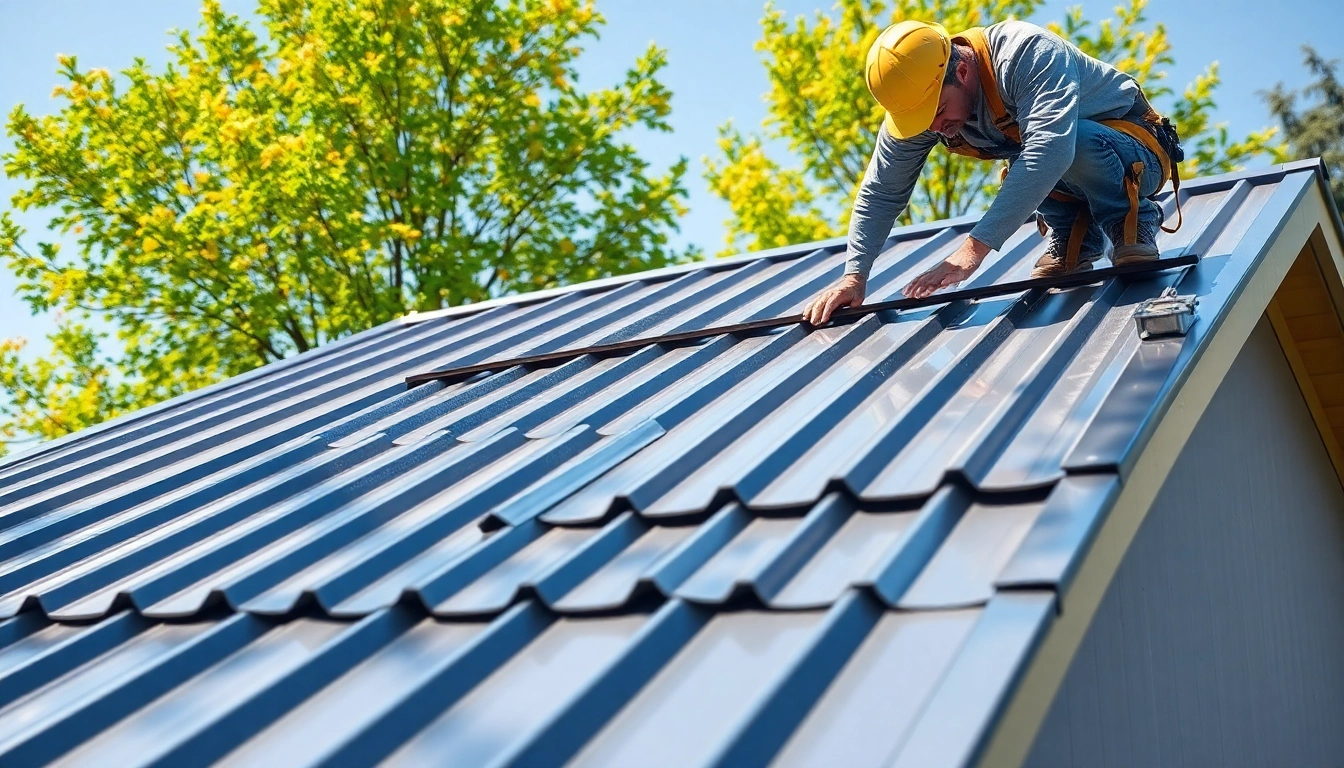
- Installing metal panels: Follow specific manufacturer instructions to secure panels effectively.
- Finishing details: Install necessary flashing and trim to ensure roof integrity.
Common Installation Mistakes to Avoid
Even a well-planned installation can go awry. Common mistakes include improper alignment, insufficient fastening, and neglecting ventilation, which may lead to premature roof failure. Ensuring adherence to best practices and manufacturer guidelines is crucial to avoid these issues.
Maintenance and Care for Metal Roofing
Regular Inspections and Cleaning of Metal Roofing
To maintain peak performance, conduct regular inspections every few years or after significant weather events. Cleaning the roof and gutters also eliminates debris, preventing rust and water damage.
Repairing Common Issues with Metal Roofing
Common issues may include rust spots, loose fasteners, or leaks. Rust can often be treated with a rust-inhibiting primer and paint, while broken panels should be replaced. Regular maintenance reduces the likelihood of significant repairs.
Extending the Life of Your Metal Roofing
To avoid premature wear, ensure proper ventilation and insulation in the attic. It is also wise to apply protective coatings that enhance durability and appearance, adding years to the roof’s lifespan.
FAQs About Metal Roofing
1. How long does metal roofing last?
Metal roofing typically lasts between 40 to 70 years, making it one of the most durable roofing materials.
2. Is metal roofing energy efficient?
Yes, metal roofing reflects solar heat, potentially reducing energy costs by 10-25% during hot months.
3. Can metal roofing be installed over existing roofs?
Yes, metal roofing can often be installed over existing roofing materials, but it depends on the structure’s condition.
4. Is metal roofing noisy during rain?
Metal roofing can be noisier than other materials during heavy rain, but proper insulation can significantly reduce sound.
5. Does metal roofing require much maintenance?
Metal roofing requires minimal maintenance, mostly limited to regular inspections and occasional cleaning.