Getting Started with Gardening Essentials
Gardening is an enriching hobby and an essential skill that connects us with nature. With the right knowledge and resources, anyone can transform their outdoor space into a lush haven of greenery. If you’re ready to embark on this rewarding journey, start by familiarizing yourself with some crucial Gardening essentials that will set you on the path to success.
Understanding Soil Types for Successful Gardening
Soil is the foundation of any garden. A deep understanding of different soil types will guide you in selecting the right plants and improving their health. Generally, soil can be divided into three main types: sandy, clay, and loamy.
Sandy Soil: This soil type has large particles and excellent drainage, making it warm and easy to work with. However, it tends to dry out quickly and lacks nutrients, which can hinder plant growth.
Clay Soil: Clay soil is dense and heavy, retaining water efficiently. While it is nutrient-rich, it can compact easily and become poorly drained, leading to root rot and other diseases.
Loamy Soil: Considered the ideal soil type for gardening, loamy soil is a balanced mixture of sand, silt, and clay. It retains moisture and has adequate drainage, making it perfect for a variety of plants.
Selecting the Right Plants for Your Climate
Choosing the right plants is crucial for a thriving garden. Start by assessing your local climate, which affects plant growth. Consider temperature, rainfall, and seasonal changes in your area.
- Hardiness Zones: Research the USDA hardiness zones that correspond to your area. This information will guide you in selecting plants that can withstand the temperatures in your region.
- Native Plants: Incorporating native plants is an excellent way to promote biodiversity and sustainability. These plants are adapted to local conditions and usually require less maintenance.
- Seasonal Interest: Consider plants that provide year-round interest, including flowers, foliage, and even bark. This approach ensures that your garden has aesthetic appeal in every season.
Basic Gardening Tools Every Gardener Should Have
Equipping yourself with the right tools is essential for maintaining a productive garden. Here are some basic tools every gardener should consider:
- Hand Trowel: Ideal for digging, planting, and transplanting.
- Pruning Shears: Necessary for cutting back flowers, fruits, and shrubs.
- Garden Fork: Used for turning soil and removing weeds.
- Watering Can or Hose: Important for providing adequate moisture to your plants.
- Gloves: Protect your hands from thorns and dirt.
Best Practices for Planting and Care
Once you have your soil prepared and your plants selected, the next step is to ensure they are adequately planted and cared for. Implementing best practices in planting and maintenance will lead to a healthier garden.
Choosing Optimal Planting Techniques
The way in which you plant your seedlings or seeds significantly impacts their growth. Here are some techniques to consider:
- Seed vs. Seedling: Decide whether to plant seeds directly in the ground or start with seedlings. Seeds require more time and care, while seedlings can offer quicker results.
- Spacing: Adequate spacing between plants is crucial to avoid overcrowding, which can lead to competition for nutrients and light.
- Depth: Follow the depth guidelines on seed packets or plant labels to ensure strong root development.
Watering Strategies for Healthy Growth
Watering is essential for plant health, but it's important to do it correctly. Not enough water can lead to wilting and death, while too much can result in root rot. Consider the following strategies:
- Deep Watering: Water deeply but infrequently, encouraging roots to grow downwards.
- Morning Watering: Watering in the morning helps reduce evaporation and fungal diseases.
- Mulching: Adding a layer of mulch conserves moisture and regulates soil temperature.
Natural Pest Control Methods in Gardening
Keeping pests at bay naturally can help sustain the ecosystem of your garden. Here are some effective methods:
- Companion Planting: Planting flowers or herbs alongside your primary crops can repel harmful insects. Examples include marigolds for nematodes and basil for aphids.
- Diatomaceous Earth: This powder is made from fossilized algae and can be sprinkled on plants to deter pests.
- Pest-Repellent Sprays: Homemade sprays with ingredients like garlic or chili can offer effective pest deterrence without harmful chemicals.
Innovative Gardening Ideas for Small Spaces
Urban dwellers and those with limited outdoor space can still enjoy the pleasures of Gardening. Here are some innovative ideas to maximize small areas:
Vertical Gardening: Maximizing Your Garden Area
Vertical gardening utilizes space effectively by growing plants upwards rather than outwards. This can be achieved through:
- Wall Planters: Use vertical wall planters to create an eye-catching green wall.
- Trellises: Install trellises in your garden to support climbing plants such as cucumbers and beans.
- Hanging Pots: Hang pots from ceilings or balconies to utilize overhead space.
Container Gardening: Easy Solutions for Urban Dwellers
Container gardening is perfect for individuals who live in apartments or lack ground soil. Some tips include:
- Choose the Right Containers: Select containers with drainage holes and appropriate sizes for the plants you choose.
- Soil Quality: Use high-quality potting mix to provide nutrients and ensure good drainage.
- Mobility: Use wheeled plant stands or lightweight containers to easily move your plants around as needed.
Succulent and Cacti Gardens for Low Maintenance
Succulents and cacti are ideal for those with busy schedules or those who prefer minimal upkeep:
- Low Water Needs: These plants require less frequent watering, making them suitable for forgetful gardeners.
- Variety of Shapes: With diverse shapes and sizes, they can create visually appealing arrangements.
- Container-Friendly: Succulents thrive in small pots, making them perfect for windowsills or shelves.
Seasonal Gardening Tips for Year-Round Success
Understanding how to adapt your gardening techniques to different seasons is key for creating a thriving garden all year long. Here’s how to prepare your garden for seasonal changes.
Preparing Your Garden for Each Season
Each season brings different challenges and opportunities for gardeners. Preparation is essential:
- Spring: Start seedlings indoors, prepare garden beds, and apply fertilizers to kickstart growth.
- Summer: Focus on weeding, watering, and pest control as plants grow rapidly.
- Fall: Harvest crops, mulch beds for winter, and plant cover crops to enhance soil health.
- Winter: Protect perennials, plan next year’s garden layout, and read gardening literature for inspiration.
Identifying Seasonal Plants for Continuous Blooms
A well-planned garden includes plants that bloom at different times of the year:
- Spring Bloomers: Tulips and daffodils herald the arrival of spring.
- Summer Blooms: Sunflowers and coneflowers bring vibrant color during the warm months.
- Fall Foliage: Maple trees provide stunning autumn colors, while asters bloom late in the season.
Maintaining Garden Health Through Seasonal Changes
To maintain the health of your garden, be mindful of how each season impacts your plants:
- Soil Testing: Conduct soil tests to adjust pH levels and nutrients throughout the year.
- Crop Rotation: Rotate your crops each season to prevent pests and diseases from establishing themselves.
- Regular Observations: Frequently check plants for signs of stress or disease, allowing for timely interventions.
Advancements in Sustainable Gardening Practices
With increasing awareness of environmental issues, sustainable gardening is gaining popularity. Here are some advanced practices to explore:
Implementing Organic Gardening Techniques
Organic gardening avoids synthetic chemicals and focuses on natural methods:
- Crop Diversity: Growing various plants can prevent pest build-up and reduce the risk of disease.
- Natural Fertilizers: Use compost, worm castings, and organic fertilizers to enrich soil sustainably.
- Sustainable Pest Management: Emphasize preventing pest issues through natural deterrents rather than reactive measures.
Composting: Creating Nutrient-Rich Soil
Composting is the process of recycling organic material into valuable soil amendments:
- Kitchen Scraps: Fruit and vegetable scraps can all contribute to compost.
- Carbon and Nitrogen Balance: Maintain a good mix of carbon-rich (browns) and nitrogen-rich (greens) materials for effective composting.
- Active Aeration: Turn compost piles regularly to provide oxygen, fostering aerobic bacteria for decomposition.
Water-Saving Techniques for Sustainable Gardening
Water conservation is vital for sustainable gardening:
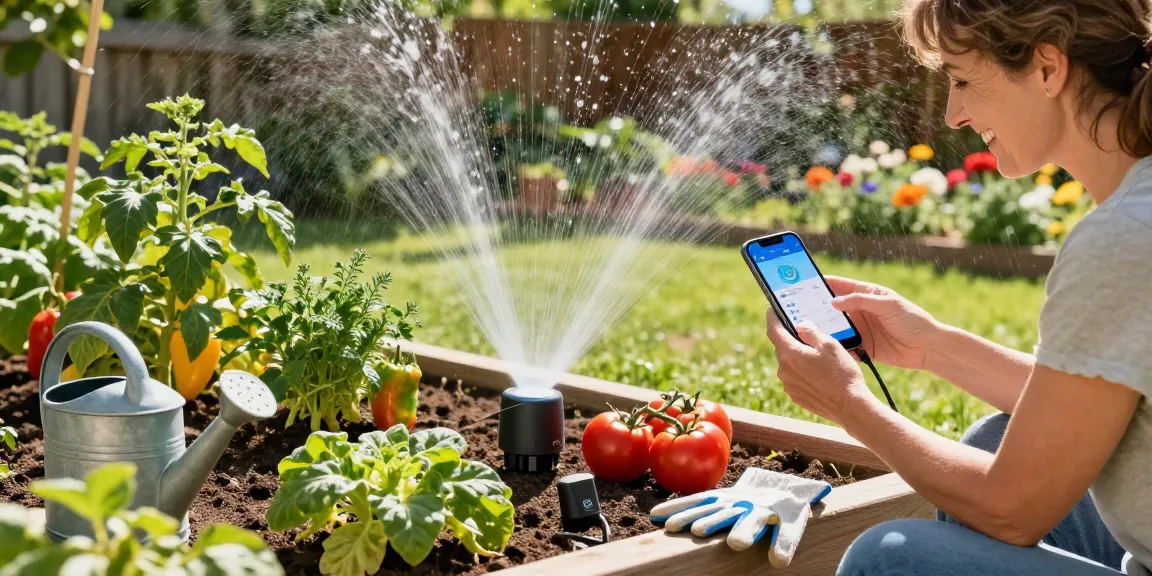
- Drip Irrigation: Implementing a drip irrigation system can deliver moisture directly to plant roots while minimizing evaporation.
- Rainwater Harvesting: Collect rainwater in barrels to use for irrigation, reducing reliance on municipal water.
- Mulching: As mentioned before, mulching can significantly reduce water loss and keep soil temperatures stable.
In conclusion, Gardening can be a fulfilling hobby that enriches your life while enhancing the environment. By understanding the fundamentals of soil types, plant selection, and maintenance practices, even novice gardeners can cultivate beautiful, productive gardens. With innovation and sustainable practices, the possibilities for your garden are boundless.