Getting Started with Gardening
Gardening is a fulfilling and enriching hobby, perfect for those looking to cultivate their own plants, flowers, and even food. It works wonders for relaxation, creativity, and mental health. Whether you are a complete beginner or an experienced gardener seeking to expand your knowledge, this comprehensive guide to Gardening will provide you with essential insights, practical tips, and innovative techniques to enhance your gardening experience.
Understanding the Basics of Gardening
Gardening is fundamentally the practice of growing and cultivating plants, whether for aesthetic pleasure, food production, or environmental benefit. Understanding the basics includes knowing what plants need to thrive, which involves adequate sunlight, water, and soil conditions. It is about creating an ecosystem where plants can flourish. Recognizing different plant species, their growth patterns, and their environmental needs is key. Whether you desire a vegetable garden, a flower bed, or a home orchard, learning these essentials will set the foundation for successful gardening.
Choosing the Right Location for Your Garden
The selection of an appropriate site for your garden cannot be overstated. It affects all factors of plant health, including light availability, drainage, and the protection from elements. Begin by analyzing sunlight; most vegetables and flowering plants require at least 6 to 8 hours of direct sunlight daily. Additionally, check for adequate drainage, as standing water can lead to root rot. Ensure your garden location is safe from harsh winds and pests. Consider proximity to a water source for easy irrigation.
Essential Tools Every Gardener Should Have
Having the right tools can make gardening easier and more enjoyable. Here are some essentials:
- Hand trowel: Ideal for planting and transplanting small plants.
- Pruning shears: Essential for maintaining plant health through pruning and shaping.
- Garden fork: Perfect for turning soil and mixing in compost.
- Watering can or hose: Necessary for the irrigation of your garden.
- Garden gloves: Protect your hands from thorns and dirt.
- Spading fork: Helps in breaking up compacted soil.
Types of Gardening Techniques
Container Gardening: Advantages and Best Practices
Container gardening is an adaptable and versatile method suitable for limited spaces, such as balconies or patios. It allows you to grow a variety of plants without needing extensive space. Ensure proper drainage by using pots with holes, selecting appropriate soil, and considering plant needs such as sunlight and water. Additionally, container gardens can be aesthetically pleasing, allowing you to curate your outdoor space with colorful arrangements.
Raised Bed Gardening for Efficient Space Use
Raised bed gardening involves creating elevated planting areas, which can enhance soil drainage, temperature, and accessibility. By building beds with materials like wood or stone, you can maintain better control over soil quality and condition. Raised beds can also facilitate easier weed management and reduce compaction. When planning raised beds, ensure they are wide enough for easy access and consider using a mix of soil types for optimal plant health.
Organic Gardening: Sustainable Practices for Healthier Plants
Organic gardening emphasizes the use of natural processes to grow plants, focusing on sustainability and the health of ecosystems. This practice includes avoiding synthetic pesticides and fertilizers in favor of compost, mulch, and organic alternatives. The benefits of organic gardening extend beyond plant health—it promotes biodiversity and contributes to soil vitality. Essential practices include crop rotation, companion planting, and maintaining healthy soil through the addition of organic matter.
Plant Selection and Care
Choosing the Right Plants for Your Climate
Not all plants grow well in every climate; understanding your hardiness zone can help you select plants that thrive in your specific conditions. Research local flora, including native species that are adapted to the area, as they often require less care and resources. Consider your local weather patterns because factors like heat, frost risk, and humidity can greatly influence plant health.
Understanding Soil Types and Their Importance
Soil type has a significant impact on plant growth. The main types include sandy, clay, silt, and loam. Each type has unique characteristics that affect moisture retention, drainage, and nutrient availability. Conducting a soil test can identify pH and nutrient levels, guiding you in amending soil with organic material, fertilizers, or lime, thus enhancing plant growth potential. Healthier soil leads to healthier plants, making this a foundational aspect of gardening.
Watering Techniques for Optimal Growth
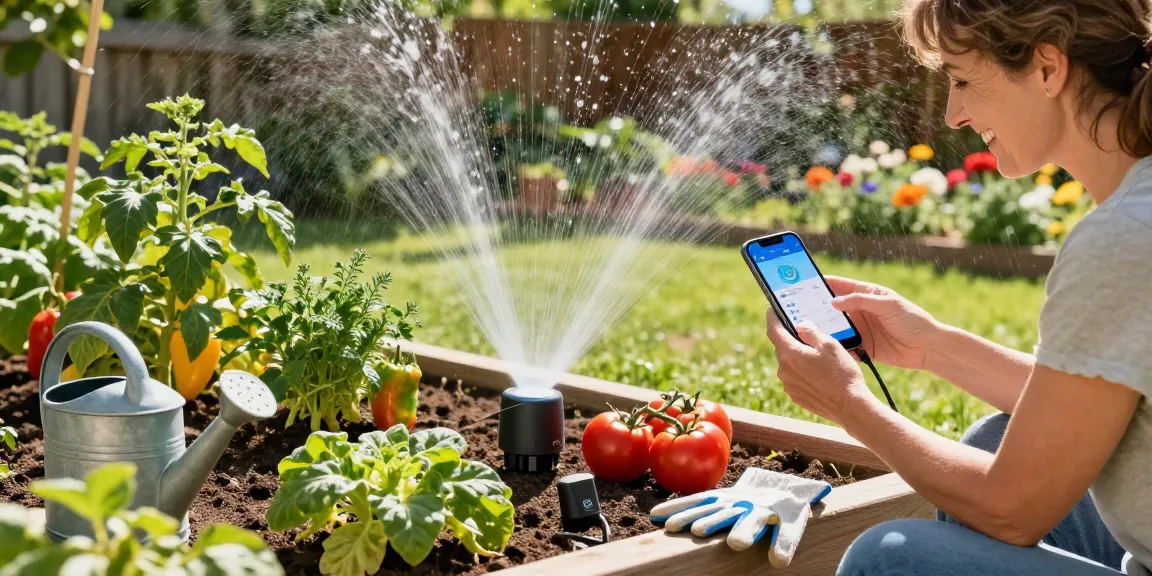
Proper watering is crucial for plant health and is often a common challenge for gardeners. The technique involves more than simply applying water; it’s about understanding when and how much to water. Techniques like deep watering—applying several inches of water less frequently—can encourage deeper root growth. Additionally, consider drip irrigation or soaker hoses to deliver water directly to plant roots while conserving moisture.
Overcoming Common Gardening Challenges
Pest Management: Natural Solutions for Healthy Gardens
Pests can pose a significant threat to gardening efforts, but many natural solutions exist. Implementing biological pest control, such as introducing beneficial insects like ladybugs and lacewings, can effectively manage pest populations. Additionally, crop rotation, companion planting, and barriers like row covers can deter pests. Regular inspection combined with preventive measures will contribute to healthier gardens.
Dealing with Plant Diseases Effectively
Plant diseases are another common issue that can hinder gardening success. Early detection is key to managing diseases effectively. Familiarize yourself with symptoms of common diseases, such as yellowing leaves or stunted growth, so you can take immediate action. Good practices like crop rotation, proper spacing for air circulation, and sanitation measures—such as cleaning tools and removing infected plant material—are vital preventive strategies.
Climate Adaptations for Successful Gardening
Understanding climate factors such as temperature, humidity, and seasonal variations is essential for successful gardening. Strategies may include selecting coverings to protect plants from frost or heat and timing planting according to seasonal moisture levels. Adapting your gardening practices to accommodate changing climate conditions can enhance plant resilience and productivity.
Advanced Gardening Strategies
Companion Planting: Enhancing Growth and Health
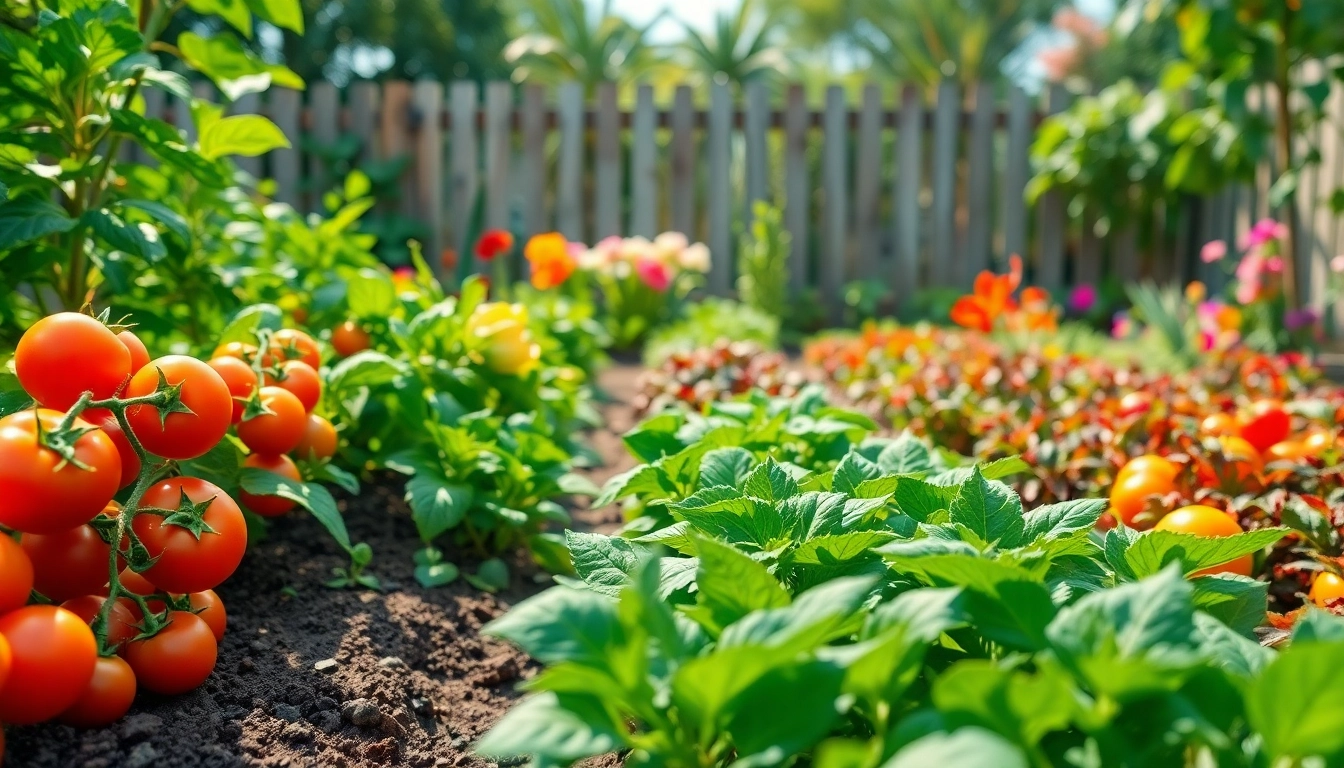
Companion planting is an ancient technique that involves planting compatible plant species together for mutual benefits such as pest control, pollination, and nutrient enhancement. For example, planting basil alongside tomatoes is said to improve flavor and repel pests. Proper pairing can result in richer yields and healthier plants, fostering a more sustainable garden ecosystem.
Creating a Pollinator-Friendly Garden
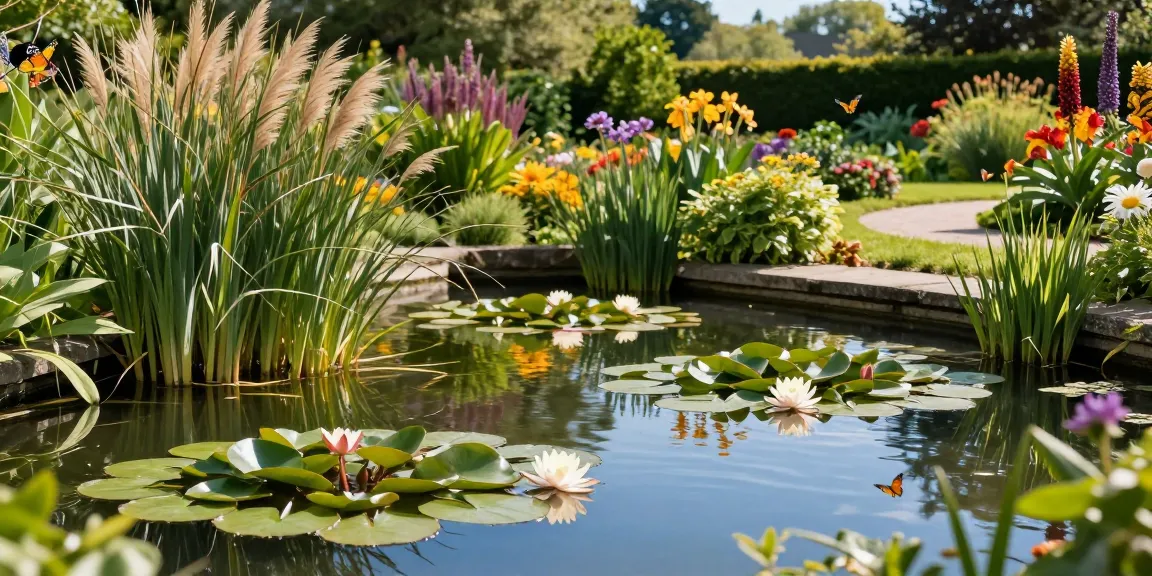
Pollinators, such as bees and butterflies, are crucial to garden health and productivity. Creating a pollinator-friendly garden involves incorporating a variety of flowering plants that bloom at different times throughout the year, providing food sources for pollinators. Avoiding pesticides and opting for native plants can greatly attract and support local pollinator populations.
Seasonal Gardening: What to Plant and When
Gardening demands an understanding of seasonal planting, as different plants thrive during different times of the year. Familiarize yourself with your local growing season to determine the best planting schedules for both cool-season and warm-season crops. Keeping a gardening calendar can help monitor planting, harvesting, and maintaining your garden throughout the seasons.