
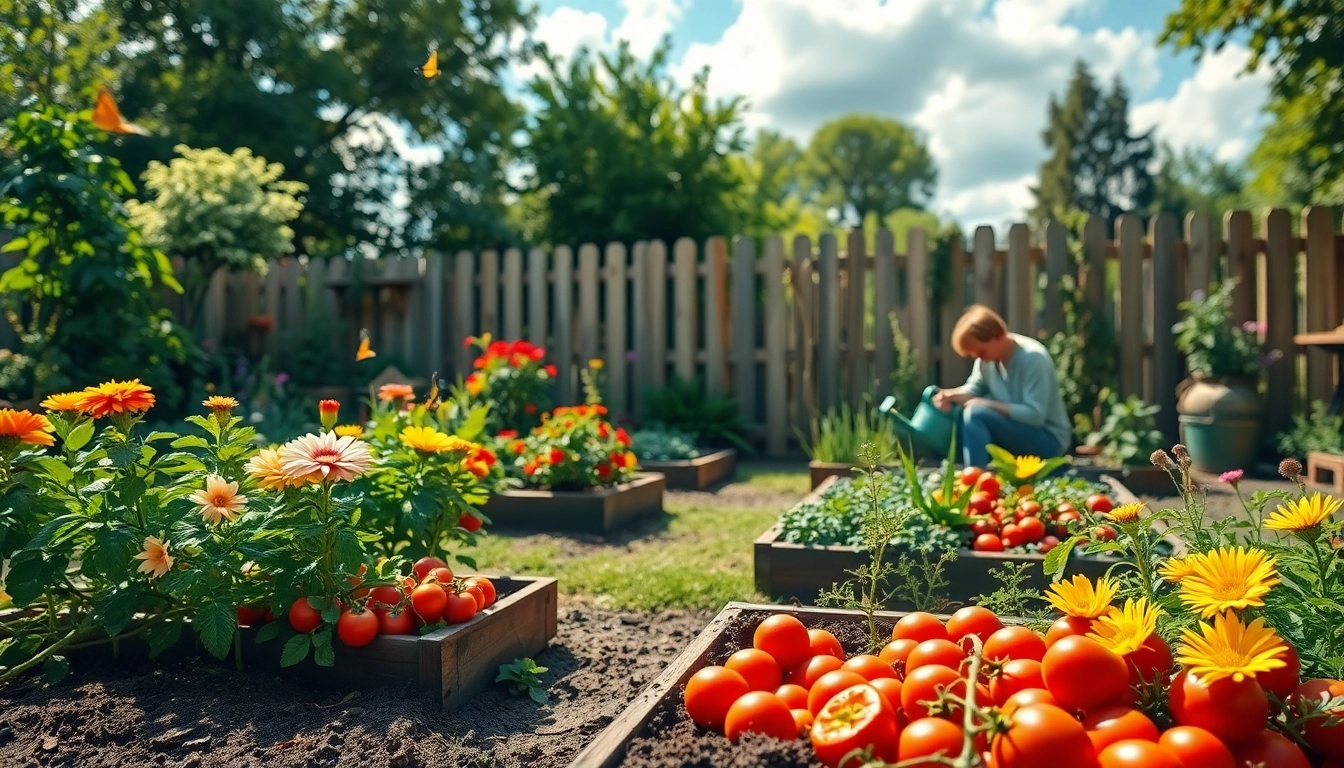
The Art of Gardening: Understanding the Basics
What is Gardening?
Gardening is the art and science of cultivating plants in a designated area, such as backyards, community gardens, or even balconies. It encompasses the growing of flowers, vegetables, herbs, fruits, and ornamental plants. Gardening not only provides food and beauty but also promotes environmental stewardship and enhances mental well-being. The practice of Gardening dates back thousands of years and has evolved to include a myriad of techniques and styles that cater to various climates and personal preferences.
Types of Gardening Techniques
There are numerous gardening techniques, each with its own methodologies and benefits:
- Vegetable Gardening: Focused on growing edible plants, this method emphasizes crop rotation and seasonal planting to ensure a steady harvest.
- Flower Gardening: Primarily aimed at cultivating flowers for decorative purposes, this approach often incorporates companion planting to enhance growth.
- Container Gardening: Ideal for those with limited space, this technique involves growing plants in pots or containers, making it versatile and mobile.
- Permaculture: Combining ecological principles with sustainable agriculture, permaculture creates a self-sustaining garden that mimics natural ecosystems.
- Hydroponics: A method of growing plants without soil by using nutrient-rich water solutions, allowing for faster growth and higher yields in controlled environments.
The Importance of Gardening in Daily Life
Gardening’s role extends beyond mere aesthetics or food production; it promotes a healthier lifestyle and a positive emotional state. Research suggests that spending time in nature can reduce stress and increase happiness. Additionally, growing your own food leads to a better understanding of nutrition and food sources, encouraging healthier eating habits. Eco-friendly gardening practices also contribute to local biodiversity, providing habitats for wildlife and helping combat climate change through carbon sequestration.
Getting Started with Gardening
Choosing the Right Location for Your Garden
The first step in establishing a garden is selecting an appropriate location. Consider the following factors:
- Sunlight: Most vegetables and flowers require at least six hours of direct sunlight daily. Observe your yard to determine which areas receive the most sunlight.
- Elevation: Areas at lower elevations may retain moisture, which can be beneficial for certain plant types, while elevated areas might have better drainage and airflow.
- Accessibility: Choose a location that is easily accessible for regular maintenance, watering, and harvesting. Proximity to a water source will make irrigation easier.
Essential Tools Every Gardener Needs
Equipping yourself with the right tools can streamline your gardening process and enhance efficiency. Essential gardening tools include:
- Shovel: For digging and moving soil and compost.
- Trowel: Perfect for planting, transplanting, and weeding.
- Pruning Shears: Necessary for trimming and maintaining plant health.
- Rake: To level soil and remove debris.
- Watering can or Hose: For consistent and thorough watering.
Soil Preparation Techniques for Optimal Growth
Healthy soil is crucial for successful gardening. Start by testing your soil’s pH and nutrient levels, then amend accordingly. Here are key preparation techniques:
- Composting: Adding organic matter improves soil structure, fertility, and moisture retention. Compost is rich in nutrients and can be generated from kitchen scraps and yard debris.
- Soil Tilling: Aerating the soil to increase its permeability and enhance root growth. Be cautious not to compact the soil, as this can hinder drainage.
- Mulching: Applying a layer of organic material on top of the soil inhibits weed growth, retains moisture, and gradually enriches the soil as it decomposes.
Planting Your First Garden
Seed Selection: What to Grow for Beginners
Beginners should focus on plants that are easy to grow and require minimal maintenance. Some excellent choices include:
- Radishes: Fast-growing and adaptable to various soil types.
- Lettuce: Grows quickly and can be harvested in stages.
- Nasturtiums: Edible flowers that deter pests and attract beneficial insects.
- Tomatoes: Popular and rewarding crops, especially in warm climates.
When and How to Plant Your Seeds
Timing your planting is crucial for achieving optimal growth. Consider the following:
- Last Frost Date: Be aware of your region’s last frost date. Planting too early can damage seeds and young plants.
- Depth and Spacing: Refer to seed packets for specific planting depth and spacing recommendations to prevent overcrowding and competition for resources.
- Seasonal Planting: Understand the growing seasons for different plants. Cool-weather crops can be planted in early spring or fall, while heat-loving crops like peppers and squash thrive in summer.
Watering Practices for Healthy Plants
Proper watering techniques are vital for plant health. Key strategies include:
- Deep Watering: Water deeply but infrequently to encourage root growth. This method promotes resilience during dry spells.
- Morning Watering: Watering early in the day allows plants to absorb moisture effectively before the heat of the sun evaporates it.
- Rainwater Harvesting: Collect rainwater in barrels to create an eco-friendly irrigation system that conserves water.
Maintaining Your Garden
Pest Management Strategies for Home Gardens
Insect pests can wreak havoc on your garden, but effective pest management strategies can minimize damage. Here are some approaches:
- Identifying Beneficial Insects: Not all insects are harmful; many provide essential services like pollination and pest control. Attract them by planting a diverse range of plants.
- Traps and Barriers: Use physical barriers like row covers to protect plants from pests while allowing light and moisture in.
- Natural Pesticides: Explore the use of organic and natural solutions, such as neem oil or insecticidal soap, to control troublesome pests.
Common Weeds and How to Control Them
Weeds compete with your plants for nutrients, water, and sunlight. Implement these methods to keep them at bay:
- Mulching: As mentioned earlier, a layer of mulch not only conserves moisture but also suppresses weed germination.
- Hand Weeding: Regularly inspecting your garden and pulling weeds by hand can prevent them from seeding and thriving.
- Crop Rotation: Rotating your crops can disrupt the life cycle of many weed species.
Fertilizing Your Garden for Maximum Yield
Effective fertilization is essential for maximizing plant growth and yield. Consider these tips:
- Understanding Nutrients: Fertilizers contain macronutrients (N-P-K) and micronutrients. Conduct a soil test to understand your soil’s nutrient composition.
- Organic Fertilizers: Compost, bone meal, and fish emulsion act as natural fertilizers that release nutrients slowly and improve soil structure.
- Foliar Feeding: A quick way to provide nutrients to plants by spraying them directly on the leaves, especially when they exhibit signs of nutrient deficiency.
Advanced Gardening Concepts
Companion Planting: Maximizing Space and Growth
Companion planting is an age-old technique that involves placing plants together that benefit one another. Some effective combinations include:
- Tomatoes and Basil: Basil may enhance the flavor of tomatoes while deterring harmful pests.
- Carrots and Onions: Onions can repel carrot flies, while the carrots help to loosen the soil for better onion growth.
Organic Gardening Practices to Consider
Organic gardening avoids synthetic fertilizers and pesticides, focusing on sustainable and environmentally friendly practices. Key principles include:
- Crop Rotation: Preventing soil depletion and reducing pest populations.
- Natural Pest Control: Promoting biodiversity and encouraging natural predators.
- Soil Health: Enhancing soil with organic matter to sustain plant growth and fertility.
Seasonal Gardening: Adapting to Climate Changes
Being mindful of changing climates and adapting gardening practices accordingly can improve crops’ performance. Strategies include:
- Season Extension: Using cold frames or hoop houses to extend the growing season into fall and winter.
- Climate-Adapted Varieties: Selecting plant varieties that thrive in your specific climate conditions enhances resilience.
- Water Management: Implementing efficient irrigation systems that conserve water and provide adequate moisture as weather patterns shift.