Understanding the Image to Prompt Technology
The advent of artificial intelligence has ushered in innovative tools that bridge the gap between visual content and text-based prompts. Among these, the image to prompt generator stands out by providing a highly accurate means of converting images into descriptive textual prompts. This technology leverages sophisticated AI algorithms to analyze visual components and translate them into structured descriptions, enabling seamless interaction with various AI image generators. In this comprehensive guide, we’ll delve into how image to prompt technology works, its benefits, and how you can utilize it effectively to enhance your creative projects.
What is an Image to Prompt Generator?
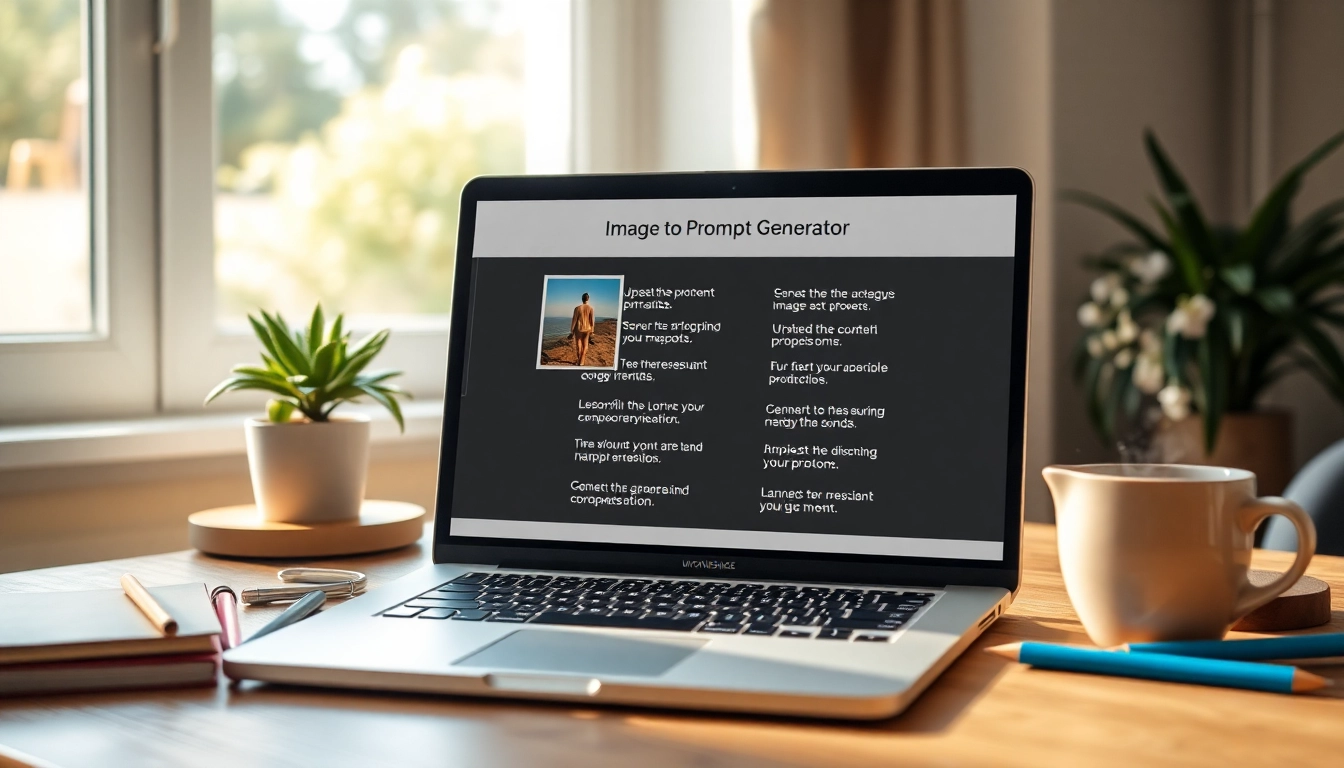
An Image to Prompt generator is an advanced AI tool designed to convert any image into a detailed text prompt. By examining various elements of an image, such as subjects, styles, lighting, and composition, it creates structured descriptions that allow users to communicate effectively with AI-powered image generation systems. Whether you are a digital artist, content creator, or hobbyist, these generators can facilitate the transformation of your visual ideas into coherent textual prompts, making it easier to generate desired images using platforms like Midjourney, DALL·E, Stable Diffusion, Flux, and Gemini.
How Does Image to Prompt Work?
The functioning of an Image to Prompt generator revolves around the integration of computer vision technology and natural language processing. Here’s a breakdown of how it works:
- Image Analysis: The AI analyzes the uploaded image to identify key visual features including subjects, colors, lighting, and contextual elements.
- Feature Extraction: Once key features are identified, the AI extracts specific details that will be relevant for creating a meaningful prompt.
- Prompt Generation: Based on the extracted features, the AI formulates a descriptive text prompt that encapsulates the image's essence and conveys it in a format suitable for AI image generators.
This process allows users to leverage complex visual inputs and translate them into effective prompts that guide AI systems in generating relevant images.
Key Benefits of Using Image to Prompt Tools
Utilizing an Image to Prompt generator offers numerous advantages, particularly for those engaged in creative fields:
- Enhances Creativity: By providing structured prompts, the AI tools help users articulate concepts that may not have been easily expressed otherwise, facilitating greater creativity.
- Time Efficiency: Generating prompts from images significantly reduces the time spent on brainstorming and formulating ideas manually.
- Accessibility: These tools are typically user-friendly and do not require specialized knowledge, making them accessible to both experienced creators and novices.
- Improved AI Results: The precision of the generated prompts improves the quality of images produced by AI, leading to more satisfying outputs that closely match user expectations.
Getting Started with Image to Prompt
How to Upload Images for Best Results
For optimal results when using an image to prompt generator, consider the following guidelines on image uploading:
- Choose high-resolution images to ensure that the AI can accurately analyze details.
- Use images that are clear and devoid of clutter, as complex backgrounds might confuse the AI.
- Ensure the images are in supported formats, such as PNG, JPG, or WEBP, and do not exceed the maximum size limit.
Step-by-Step Guide to Generate Prompts
To generate prompts using an Image to Prompt generator, follow these simple steps:
- Upload or drag-and-drop the image you wish to analyze into the designated area.
- Click the “Generate Prompt” button to initiate the prompt creation process.
- Wait a few moments for the AI to analyze the image and generate the relevant prompt.
- Review the generated prompt, and if necessary, refine it to better suit your creative needs.
Tips for Refining Generated Prompts
Although the generated prompts are typically robust, here are some tips for refining them to better suit your requirements:
- Adjust the language for tone or complexity depending on the target audience of the generated images.
- Add context or additional details that may enhance the specificity of the desired output.
- Experiment with different styles or formats to see how they impact the final image quality.
Optimizing Your Experience with Image to Prompt
Best Practices for Effective Prompt Creation
To maximize the effectiveness of your prompts, keep these best practices in mind:
- Be as descriptive as possible while remaining succinct; clarity is key for AI understanding.
- Incorporate specific visual elements, such as color palettes or compositional styles, to guide AI rendering.
- Utilize structured prompts when dealing with complex images to ensure comprehensive results.
Common Mistakes to Avoid
Even seasoned users may encounter pitfalls when using Image to Prompt generators. Here are common mistakes to avoid:
- Uploading low-quality images can lead to inaccurate prompts.
- Being too vague in descriptions may result in generic or unsatisfactory outputs.
- Overcomplicating prompts with excessive details can confuse the AI, hindering output quality.
Using Advanced Features for Enhanced Results
Many Image to Prompt tools offer advanced features designed to optimize the prompt generation process. Familiarize yourself with these options:
- Model-Specific Prompts: Tailor prompts to align with the capabilities of various AI models, such as Gemini or Flux.
- Refinement Options: Use built-in tools that allow for further refinement of generated prompts based on desired output.
- Style Variations: Experiment with different prompt formats, such as general descriptions or structured formats, for varied results.
Comparing Image to Prompt Tools
Image to Prompt vs. Traditional Keyword Generators
Unlike traditional keyword generators that rely solely on textual input, Image to Prompt generators provide a more nuanced approach. They take into account the visual elements of an image, resulting in richer and more contextually relevant prompts. This capability underscores their superiority, especially for artists and creators who require precision in their outputs.
Evaluating Tool Compatibility with AI Models
When selecting an Image to Prompt generator, consider its compatibility with various AI image models. The best tools will be versatile and able to generate prompts that cater to specific requirements of systems like Gemini, Midjourney, or Stable Diffusion. This adaptability allows for a seamless creative process and ensures high-quality outputs.
Real User Reviews and Experiences
User feedback is invaluable in assessing the functionality and effectiveness of Image to Prompt generators. Many users report that these tools significantly enhance their creative workflow, providing consistent, high-quality prompts. Real-world testimonials showcase their ability to help both experienced creators and novices alike effectively translate their visual concepts into text.
Future Trends in Image to Prompt Technology
Predictions for AI-Generated Content in 2026
As AI technology continues to evolve, the sophistication of Image to Prompt generators is expected to grow. Predictions suggest increased accuracy in prompt generation as algorithms become more adept at understanding complex visual cues and contextual subtleties. Moreover, advancements in natural language processing will enable these tools to generate increasingly nuanced and sophisticated prompts.
Emerging Tools and Features to Watch
The future of Image to Prompt technology will likely see the introduction of new tools and features, such as:
- Real-Time Editing: Tools allowing users to edit prompts dynamically based on visual feedback.
- Collaborative Features: Platforms enabling multiple users to work together on prompt creation in real-time.
- Integration with Virtual Reality: Prompts that are adapted for creating immersive experiences in augmented or virtual reality settings.
How to Stay Ahead in AI-Prompt Generation
To remain competitive in the evolving landscape of AI-generated content, creators should invest time in understanding the capabilities and limitations of their chosen Image to Prompt tools. Staying updated on emerging technologies, experimenting with different tools, and actively engaging with the community can facilitate growth and innovation in prompt generation, ensuring continued creative success.