Understanding Construction Safety Training
Definition and Importance of Construction Safety Training
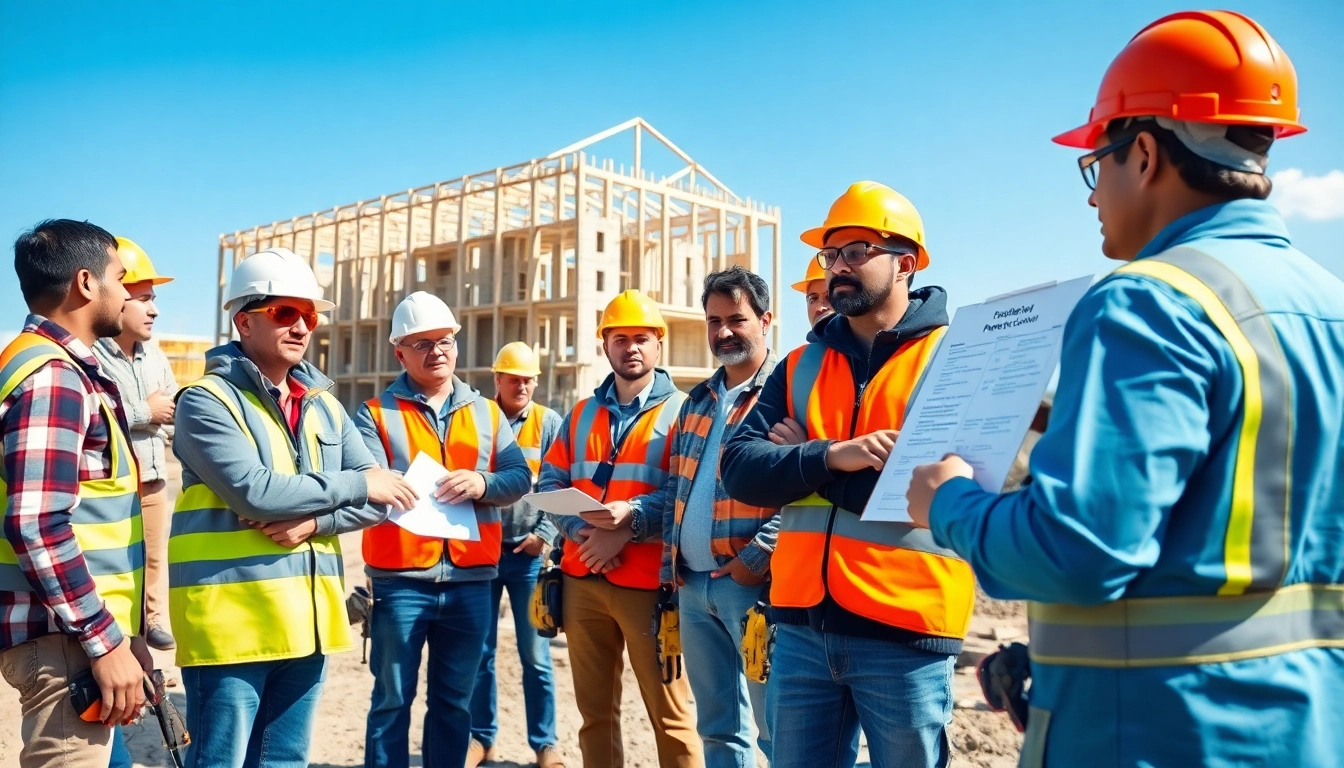
Construction safety training is a structured approach aimed at educating workers on safe practices, regulations, and procedures that are critical for minimizing accidents on job sites. In an industry recognized for its inherent risks, having robust construction safety training protocols is not just a legal obligation, but a moral imperative to protect workers' lives. This training aims to ensure that employees are equipped with the knowledge to identify potential hazards and implement best practices to mitigate them.
Key Objectives of Construction Safety Training
The primary goal of construction safety training is to create a safe and healthy work environment. Some key objectives include:
- Accident Prevention: Training programs focus on teaching workers how to recognize and avoid dangerous situations.
- Regulatory Compliance: Ensuring that all employees understand OSHA regulations and other legal requirements related to safety.
- Emergency Preparedness: Preparing workers for emergencies through drills and clear protocols.
- Enhancing Safety Culture: Fostering an environment where safety is prioritized by all employees.
- Skill Development: Improving the skills and competencies of workers in safe operation of machinery and tools.
Common Hazards Addressed in Construction Safety Training
Training programs typically cover a range of common construction site hazards, including:
- Falls: Addressing the leading cause of fatalities in construction, focusing on fall protection measures.
- Electrical Hazards: Teaching workers about safe practices around electricity and how to identify live wires.
- Hazardous Materials: Education on handling and storing toxic substances safely.
- Equipment Operation: Ensuring operators are trained in the safe use of heavy machinery.
- Tool Safety: Instruction on using hand and power tools properly to prevent injuries.
Types of Construction Safety Training Programs
Formal Safety Training Programs
Formal safety training programs are structured learning modules typically conducted in a classroom or workshop setting. These programs often cover regulatory requirements, fundamental safety principles, and hands-on training. Certifications from these programs can boost worker confidence and credibility while demonstrating compliance to employers.
On-the-Job Safety Training
On-the-job safety training involves training workers in real-time while they are performing their job duties. This pragmatic approach enables employees to apply safety concepts directly to their work environment. Mentorship plays a vital role, as experienced workers guide new employees and ensure they follow safety protocols effectively.
Interactive and Digital Safety Training Methods
With advancements in technology, interactive and digital training methods, such as e-learning and simulators, have become increasingly popular. These methods offer flexibility and accessibility, allowing workers to engage in training at their convenience. Gamified training platforms can enhance learning retention by making the process more engaging and enjoyable.
Best Practices for Effective Training Implementation
Creating a Safe Learning Environment
To maximize the effectiveness of safety training, it's crucial to foster a positive learning atmosphere. This includes ensuring training facilities are free from hazards, providing necessary materials, and promoting open communication among participants. Additionally, instructors should exhibit calmness and confidence to inspire trust and facilitate learning.
Utilizing Real-World Scenarios in Training
Real-world scenarios bridge the gap between theoretical knowledge and practical application. By incorporating case studies and role-playing exercises, workers can experience realistic situations and learn to apply their training skills under pressure. This practice not only reinforces lessons but also enhances critical thinking and decision-making abilities in hazardous situations.
Engaging and Motivating Participants
Instructors should strive to engage participants actively. Utilizing varied teaching methods—such as hands-on demonstrations, group activities, and multimedia presentations—keeps the learning dynamic and prevents disengagement. Providing incentives, such as certificates or rewards, for active participation can also motivate employees to invest in their safety knowledge.
Measuring the Effectiveness of Training
Setting Training Goals and Metrics
For safety training to be effective, clear and measurable goals must be established early on. Goals should be specific, achievable, relevant, and time-bound (SMART). Metrics may include tracking accident reduction rates, participant assessments, and feedback scores. Consider pre- and post-training evaluations to gauge knowledge retention and behavioral change.
Collecting Feedback from Participants
Feedback is vital for continuous improvement. Conduct surveys and group discussions to evaluate training effectiveness. Understanding participants' perceptions of the training process, materials, and instructors provides insights into areas needing enhancement. Authentic feedback creates a cycle of perpetual improvement, raising the standards of training programs.
Continuous Improvement Strategies
Implementing continuous improvement involves revisiting and updating training content based on evolving regulations, feedback, and incident reports. Conduct regular reviews of accident data to determine patterns that may indicate training gaps. This proactive approach ensures that training remains relevant and effective in protecting workers from emerging risks.
FAQs About Construction Safety Training
What is construction safety training?
Construction safety training is designed to educate workers on safety practices, regulations, and procedures to minimize accidents on job sites.
Who needs construction safety training?
All construction workers, managers, and supervisors should undergo construction safety training to ensure a safe working environment for everyone.
What are the common topics covered?
Topics include hazard recognition, safe material handling, fall protection, personal protective equipment usage, and emergency response protocols.
How often should safety training occur?
Safety training should occur regularly, with refreshers at least annually, or whenever new processes or hazards are introduced.
What are the benefits of effective safety training?
Effective safety training leads to fewer accidents, increased productivity, improved compliance with regulations, and a better safety culture.