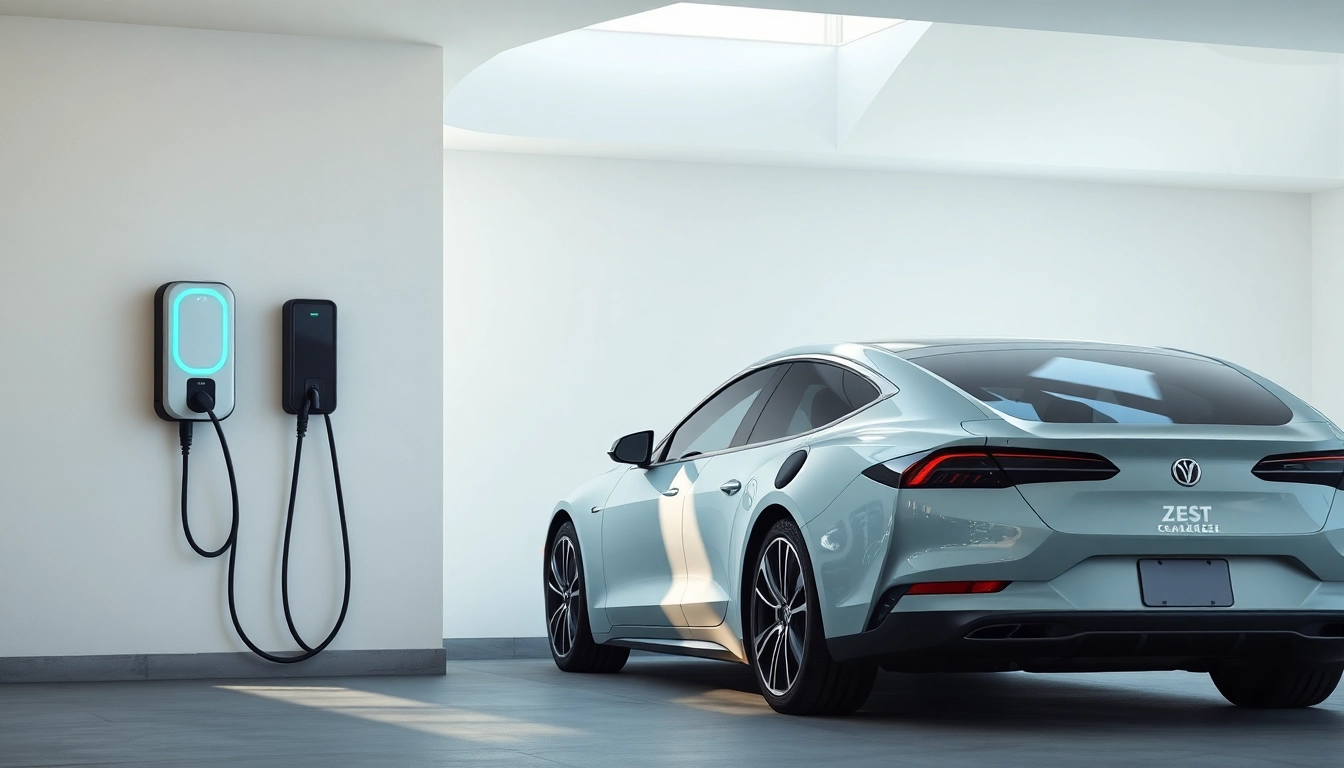
Understanding Electric Vehicle Charger Installation Price
As electric vehicle (EV) adoption accelerates across the globe, understanding the costs associated with installing an EV charger at home becomes crucial for potential buyers. Home charger installations provide the convenience of charging your vehicle overnight, saving time and ensuring readiness for daily use. However, the electric vehicle charger installation price can vary based on several factors, including location, charger type, and existing electrical infrastructure. This article delves into what influences these costs, ensuring you have comprehensive insights into making an informed decision.
What Factors Influence Installation Costs?
Several variables come into play when determining the cost of EV charger installation:
- Charger Type: The kind of charger (Level 1, Level 2, or Level 3) significantly impacts costs. Level 2 chargers are more common for home use, providing faster charging.
- Electrical Upgrades: If your home's electrical system is old or lacks capacity, you might need to upgrade the panel or wiring, increasing overall expenses.
- Labor Costs: The expertise of the electrician and local labor rates can vary, affecting installation prices. Regions with a higher cost of living typically see elevated labor costs.
- Permits and Inspection Fees: Depending on local regulations, you may need permits for the installation, which can contribute to additional costs.
- Installation Complexity: Difficult installations, such as those requiring extensive cable runs or challenging access to electric panels, can naturally incur higher labor costs.
Average Price Ranges for Different Charger Types
The cost of EV charger installations varies based on the type of charger:
- Level 1 Chargers: Typically, these cost around $300 to $600 for installation but are less efficient for daily use.
- Level 2 Chargers: These installations range from $800 to $2,000, depending on electrical upgrades and labor.
- Level 3 Chargers: Designed for commercial use, these can exceed $3,500, as they require significant electrical infrastructure to be installed.
Cost Variations Based on Home Settings
Home settings greatly influence installation costs. For instance, homes with a dedicated garage or a short distance from the electrical panel may incur lower installation costs compared to those where extensive electrical work is needed. Additionally, properties in urban areas may have more stringent regulations and higher costs associated with permits, while rural homes might face fewer regulations but could have higher travel costs for electricians.
The Installation Process of EV Chargers
Understanding the installation process is key to expediting your EV charger setup efficiently and cost-effectively. It typically involves several steps:
Step-by-Step Guide to Electric Charger Installation
- Initial Assessment: A qualified electrician evaluates your home’s electrical system and your charging needs.
- Getting a Quote: Based on the assessment, a detailed, no-obligation quote is provided.
- Scheduling Installation: Choose a convenient date for the installation to commence.
- Installation: The electrician will install the charger, ensuring it meets all safety codes.
- Testing and Certification: After installation, the system will be tested, and a Certificate of Electrical Safety will be issued.
Common Challenges During Installation
Several challenges can arise during the installation process:
- Hidden Issues: Older homes may have outdated wiring or insufficient panel capacity that necessitates additional upgrades.
- Permit Delays: Local governments may have varying response times regarding installation permits, delaying the process.
- Accessibility: In some cases, finding an ideal location for the charger may prove more complicated than initially anticipated.
Tips for a Hassle-Free Installation Experience
To ensure a smooth installation, consider the following tips:
- Research local electricians who are experienced in EV charger installations.
- Be prepared with photos of your electrical setup to facilitate accurate quotes.
- Discuss your charging habits to help electricians recommend the best solution for your needs.
Maximizing Value from Your EV Charger Installation
Getting the most out of your EV charger means not only understanding its cost but also maximizing its utility. Here are some key considerations:
Choosing the Right Charger for Your Needs
When selecting a charger, consider your driving habits, vehicle battery capacity, and available electrical infrastructure. Level 2 chargers are generally recommended for home installations due to their efficiency and speed. Additionally, consider future needs based on potential EV upgrades.
Cost-Saving Tips and Incentives
A variety of federal and state incentives can offset installation costs. Look for local rebates or tax credits that may apply to EV charger installations. Additionally, consider potential energy cost savings by using a home charger in conjunction with solar panels.
Long-Term Economic Benefits of Home Charging
Investing in a home EV charger can lead to substantial savings over time. Charging at home is typically cheaper than using public charging stations, particularly if you can sync charging with off-peak electricity rates. Furthermore, the convenience added value often outweighs the initial installation cost.
Electric Vehicle Charger Installation: Common Questions & Answers
Understanding installation costs and processes can lead to many questions. Here are some of the frequently asked ones:
Frequently Asked Questions about Installation Costs
Potential clients often inquire about the average prices, with installations generally averaging between $800 and $2,000. Costs can vary widely based on the complexity of the installation and required materials.
What to Expect During and After Installation
Most installations take about 2-4 hours, depending on the specifics of your home. You'll receive a Certificate of Electrical Safety upon completion, ensuring compliance with all local regulations.
Understanding Warranties and Guarantees
Reputable installers typically offer warranties on both the installation work and the equipment used. It’s important to clarify all warranty details upfront to ensure peace of mind.
The Future of Electric Vehicle Charger Installations
The landscape of EV charger installations is constantly evolving. As technology advances and electric vehicle adoption increases, understanding future trends in charger installations becomes essential.
Emerging Trends in EV Charger Technologies
New technologies such as smart chargers that optimize charging based on your energy consumption patterns are becoming more prevalent. Moreover, wireless charging solutions, while still in their infancy, are expected to soon enter the market.
What to Expect in Pricing in 2025 and Beyond
As competition in the EV charger market intensifies, prices are projected to stabilize or even decline slightly, despite potential inflationary pressures. Innovations in installation practices may also help reduce costs.
The Role of Renewable Energy in EV Charging Costs
With the increasing integration of renewable energy sources like solar into homes, expect significant reductions in long-term charging costs. Homeowners can harness these systems to power their EV chargers efficiently.