Understanding Custom Laser Design Basics
What is Custom Laser Design?
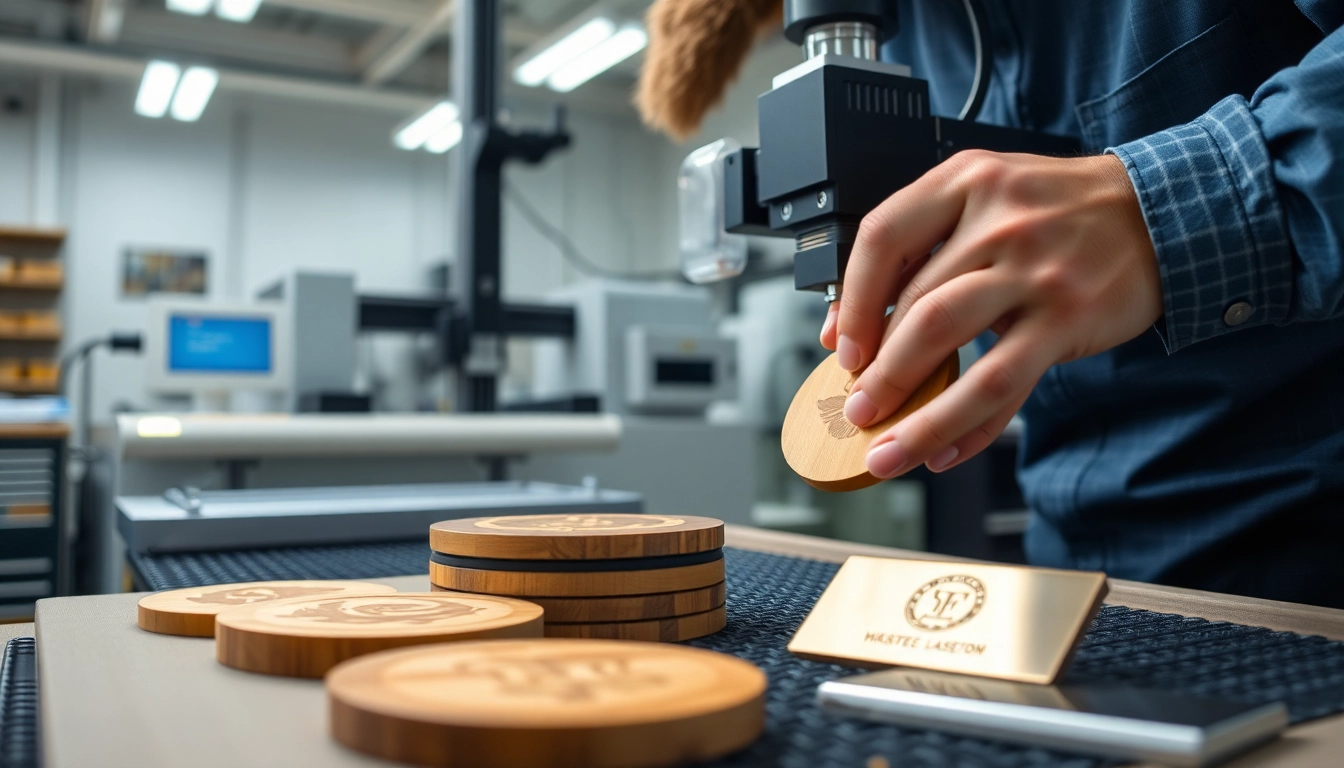
Custom laser design is a specialized process that employs laser technology to create bespoke designs on various materials. This technique allows for intricate detailing and precise engraving, making it a popular choice across multiple industries including manufacturing, crafts, and design. The versatility of custom laser design has transformed how products are personalized and manufactured, enabling businesses and individuals to create unique items that reflect personal style or brand identity.
The Technology Behind Laser Design
At the heart of custom laser design lies laser technology, specifically the use of high-powered lasers that can cut, engrave, or mark surfaces with exceptional precision. Different types of lasers, such as CO2 and fiber lasers, cater to various materials—CO2 lasers are favorable for organic materials like wood and acrylic, while fiber lasers excel at cutting metals.
This technology operates on a principle of focusing laser beams on a small area, generating enough energy to either melt or vaporize material. The fine control of laser intensity, speed, and focus allows users to achieve highly detailed outcomes, whether they’re engraving text, images, or complex patterns.
Applications of Custom Laser Design
The applications of custom laser design are vast and diverse. Industries such as fashion utilize laser cutting for precise fabric patterns; interior design frequently employs laser engraving for decorative elements; and the promotional products industry uses it for customized giveaways such as mugs, plaques, and banners. Moreover, hobbyists and artists leverage this technique for creating personalized gifts or intricate artwork.
Essential Tools for Custom Laser Design
Types of Laser Machines
Understanding the types of laser machines available is crucial for anyone delving into custom laser design. The two primary types are:
- CO2 Lasers: Best suited for non-metal materials like wood, acrylic, and leather.
- Fiber Lasers: Ideal for metals including stainless steel, aluminum, and brass.
Software for Designing Laser Engravings
Effective design software is key for creating accurate and detailed laser design files. Popular options include:
- Adobe Illustrator: A versatile graphic design tool that allows for detailed vector graphics, essential for laser engraving.
- CorelDRAW: Known for its user-friendly interface and comprehensive features tailored for laser designs.
- Inkscape: An open-source alternative for vector graphics, suitable for hobbyists and professionals alike.
Materials Compatible with Laser Design
Choosing the right materials is essential for successful custom laser design projects. Some of the most compatible materials include:
- Wood: Ideal for personalized gifts, signage, and décor.
- Acrylic: Frequently used in signage and awards.
- Leather: Commonly used for custom bags and wallets.
- Metals: Suitable for industrial uses and hard-wearing products.
Step-by-Step Process of Creating Custom Laser Designs
Ideas and Inspiration for Designs
Generating ideas for custom laser designs can stem from various sources—nature, architecture, art, or even personal experiences. Platforms like Pinterest, design blogs, and social media can provide visual inspiration. Additionally, participating in DIY workshops can spark creativity and introduce new techniques.
Setting Up the Laser Machine
Once a design is ready, setting up the laser machine involves several steps: ensuring all safety protocols are followed, aligning the material correctly, and uploading the design file to the machine. It’s paramount to adjust the machine settings based on the material type and desired design characteristics, such as depth and engraving speed.
Executing the Design
Executing the design is where the magic happens. This process will involve running a test cut on a scrap piece of material to verify settings and parameters. Once confirmed, the actual design can be engraved or cut into the chosen material. Post-execution, quality checks are essential to ensure the piece matches the initial design specifications.
Common Challenges in Custom Laser Design
Dealing with Material Limitations
Each material comes with its own set of challenges in custom laser design. For instance, some woods contain resins that can produce excessive smoke during cutting, while certain metals may require pre-treatment for optimal engraving. Knowing these limitations helps in selecting appropriate materials and planning design approaches accordingly.
Understanding Design Parameters
Achieving the desired outcome involves a deep understanding of design parameters, such as power, speed, frequency, and thickness of materials. Experimentation and documentation of settings from previous projects can streamline future jobs and improve efficiency.
Achieving the Desired Finish
The finish of a laser-engraved piece is critical to its appeal. Different materials and techniques yield varied outcomes; thus, experimenting with post-processing techniques (like sanding or sealing wood) can elevate the final product’s aesthetic and durability.
Future Trends in Custom Laser Design
Emerging Technologies
The future of custom laser design looks promising, with advancements in more compact and efficient laser technologies. Innovations like hybrid systems that combine laser cutting with other manufacturing technologies may enhance production capabilities and reduce costs.
Environmental Considerations
With growing awareness of sustainability, future trends in custom laser design will likely encompass environmentally friendly practices. This includes sourcing sustainable materials and utilizing energy-efficient machines that minimize waste and environmental impact.
Personalization and Customer Engagement
As consumers increasingly seek unique, personalized products, the demand for custom laser design will continue to rise. Brands are adopting this technology to foster deeper customer connections by offering tailored solutions and engaging customers in the design process.
Frequently Asked Questions
1. How do I get started with custom laser design?
Begin by researching the basics of laser technology, choose suitable software, and familiarize yourself with the materials you want to work with. Consider starting with small projects to build your skills.
2. Can I use any design software for laser engraving?
While many software options can create designs, it’s best to use vector-based programs like Adobe Illustrator or CorelDRAW that are compatible with laser machines for optimal results.
3. What materials are best for custom laser engraving?
Common materials include wood, acrylic, leather, and metals. Each material has its unique properties that affect engraving quality, so choose based on your project needs.
4. What should I consider when setting the laser machine?
Consider the material thickness, the desired cut or engraving depth, power settings, and speed. Running test cuts can help refine these parameters for the best outcome.
5. Are there any safety precautions for using laser machines?
Yes, always wear appropriate protective gear, ensure proper ventilation, and follow the manufacturer’s safety guidelines to prevent accidents while operating laser machines.