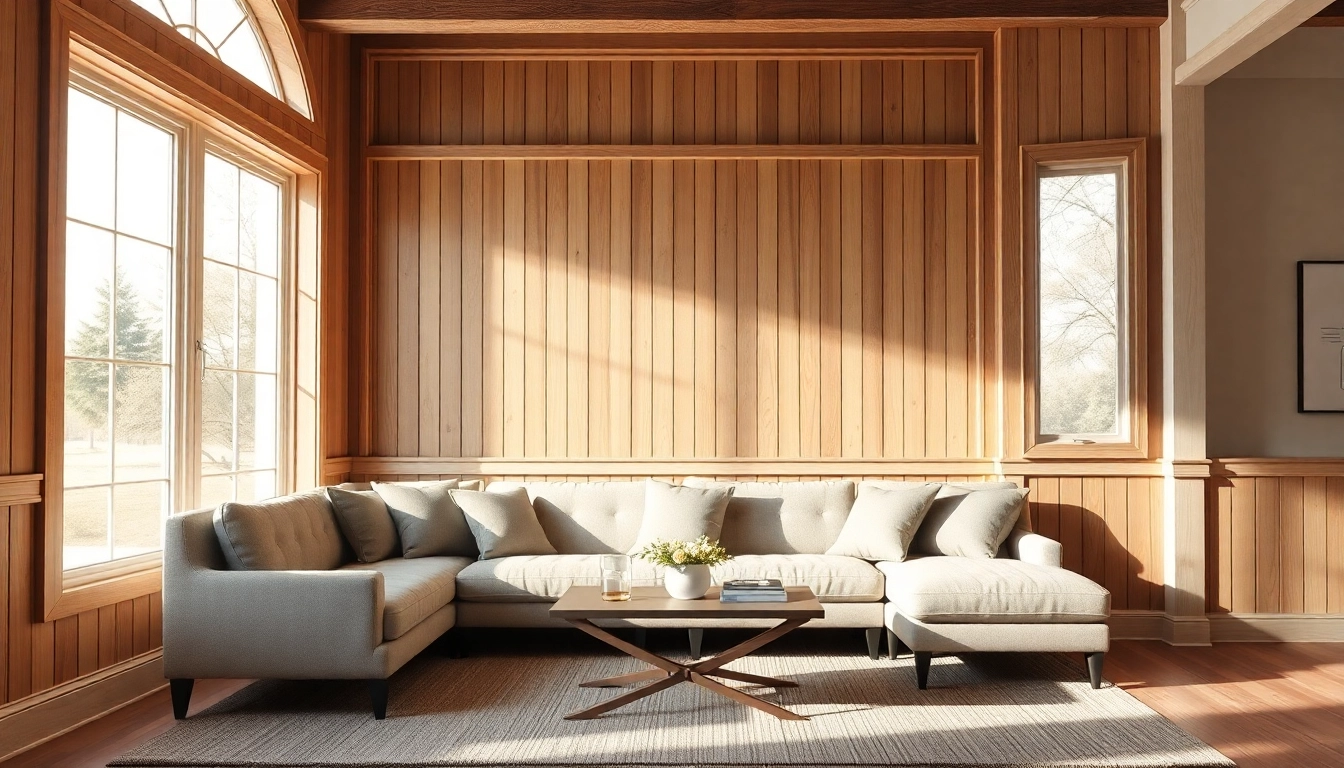
Understanding Board and Batten Design
Board and batten is a distinctive design element that has been embraced in both interior and exterior contexts, emphasizing traditional craftsmanship while offering modern versatility. This stylistic approach comprises alternating wide boards and narrow wooden strips known as battens, creating a striking visual appeal that elevates spaces effortlessly. From homes to cafes, the board and batten technique can be seen adding texture and character wherever applied.
The History and Evolution of Board and Batten
The origins of board and batten can be traced back centuries, predominantly used in regions such as Europe and North America. Initially developed as a practical solution for constructing sturdy homes, board and batten siding was commonly used in rural areas. Its structure allowed for adequate expansion and contraction with changing weather while maintaining a rustic charm. Over time, craftsmen began to recognize its aesthetic value, leading to its integration in modern architecture. Throughout history, board and batten has transitioned from purely functional to an artistic expression, often associated with cottage-style homes and craftsman designs. Today, this technique finds relevance in contemporary settings, merging traditional aesthetics with current design principles.
Modern Applications of Board and Batten
In modern design, board and batten serves as a versatile solution suitable for numerous applications. Externally, it's an attractive siding option that can vary in height and width according to design guidelines. Internally, it transforms walls into statement pieces, often utilized in entryways, living rooms, and even bedrooms. Additionally, board and batten frequently collaborates with other materials and design elements. For example, pairing board and batten with shiplap or reclaimed wood accents can amplify a room’s warmth, offering a blend of styles that is both personalized and inviting.
Common Misconceptions about Board and Batten
Despite its popularity, board and batten comes with several misconceptions. One common belief is that it belongs solely in rustic or traditional settings; however, board and batten adapts well across various styles from modern minimalist to eclectic. Similarly, people often associate board and batten solely with exterior applications. However, it’s equally effective for achieving captivating interior accents. Understanding these nuances allows homeowners and designers to leverage the full potential of board and batten.
Choosing the Right Materials for Board and Batten
The success of a board and batten project largely depends on material selection. The right balance of aesthetics, durability, and functionality must be achieved to ensure long-lasting beauty.
Types of Wood Best Suited for Board and Batten
Several types of wood are suitable for board and batten projects, each offering unique characteristics. Common choices include:
- Pine: Cost-efficient, readily available, and easy to work with. It provides a rustic feel but may require treatment for longevity.
- Poplar: Known for its smooth finish and cost-effectiveness, poplar offers versatility for painting and staining.
- Cedar: Naturally resistant to decay and insects, cedar is ideal for outdoor applications but comes at a higher price point.
- Redwood: Similar to cedar, redwood provides a rich color and durability, making it a premium choice.
Finishes and Treatments for Longevity
To prolong the life of board and batten, appropriate finishes and treatments are essential. A primer followed by a weather-resistant paint or stain enhances wood’s natural beauty while protecting it from environmental elements. For outdoor applications, using sealants can provide an extra layer of protection against moisture and pests, ensuring the longevity of the installation.
Cost Considerations for Board and Batten Projects
The cost of a board and batten project can vary significantly based on several factors, including material selection, the scale of the installation, and labor costs. Generally, the average cost ranges from $3 to $6 per square foot for materials alone, while professional installation can add substantially to the overall budget. When planning, it’s crucial to account for all potential costs to avoid surprises.
Step-by-Step Guide to Installing Board and Batten
Installing board and batten can be a rewarding DIY project or a professional installation. Properly following a concise step-by-step guide ensures optimal outcomes.
Preparation and Planning Your Board and Batten Layout
Begin by meticulously planning your layout. Determine the wall area to be covered and the desired spacing of boards and battens. Taking measurements and sketching a layout will streamline the overall installation process while minimizing waste.
Measurement Techniques for Perfect Installation
Measurement techniques are critical for a successful installation. Utilize a level to ensure that boards are installed straight and follow consistent spacing between each batten. A tape measure will assist in measuring height and spacing precisely, enabling accurate cuts and placement, which contributes to the overall aesthetic.
Tools Required for Board and Batten Installation
Essential tools to have on hand for a board and batten installation include:
- Table saw or miter saw for cutting
- Nail gun or hammer for fastening
- Level for ensuring straightness
- Drill for securing battens
- Tape measure for precise measurements
Design Ideas and Inspirations using Board and Batten
Board and batten is a versatile design choice that can enhance various spaces. Its adaptability makes it the perfect solution for homeowners looking to elevate their interiors or exteriors.
Combining Board and Batten with Other Design Elements
To creatively integrate board and batten into your design, consider mixing it with other elements. Pairing board and batten with stone accents or modern metal fixtures can create an intriguing contrast, showcasing both traditional and contemporary design aspects. Incorporating mirrors or artwork also enhances the visual experience.
Color Schemes to Enhance Board and Batten
Color has a significant impact on the success of a board and batten installation. Light colors, such as whites and pastels, amplify space while darker shades provide dramatic impact. When painting, consider the room's natural light and existing furnishings to ensure a harmonious look.
Creating Unique Patterns with Board and Batten
Texture and pattern make a bold statement. Consider varying the width of boards and battens to create unique patterns that catch the eye. Vertical arrangements evoke feelings of height, while horizontal placements may bring a sense of comfort and warmth. Mixing the two techniques can also add depth to spaces.
Maintenance and Care for Board and Batten Installations
Regular maintenance is essential to maintain the look and longevity of board and batten installations. Simple steps can go a long way toward preserving the beauty of these spaces.
Long-term Maintenance Tips for Board and Batten
To ensure your board and batten stay in prime condition, it's advisable to regularly clean the surfaces, checking for signs of weathering or decay. A soft brush or damp cloth can help remove accumulated dust and dirt. Depending on exposure to elements, consider re-staining or repainting every few years.
When to Refinish Your Board and Batten
Look out for signs that indicate the need for refinishing—peeling paint, discoloration, or water stains. If you notice any of these issues, it's time to refresh the surface. Regularly scheduled inspections can prevent more significant issues down the line and maintain a polished appearance.
Identifying and Resolving Common Issues with Board and Batten
Common issues with board and batten may include warping due to moisture or fluctuating temperatures. Ensure proper installation techniques are used, including sealing the wood to prevent moisture damage. If severe warping occurs, replacing affected boards may be necessary to restore the installation’s integrity.
FAQs about Board and Batten
1. What is board and batten?
Board and batten is a design technique using wide boards and narrow strips (battens) to create a distinctive and textured look for walls, often used in both interior and exterior applications.
2. How do I maintain my board and batten installation?
Regularly clean the surfaces with a soft brush or cloth, inspect for damage, and repaint or re-stain as needed every few years to keep your installation looking fresh.
3. Can I use board and batten in modern designs?
Yes! Board and batten is highly versatile and can be incorporated into modern designs, adding texture while blending with contemporary elements effectively.
4. What types of wood are best for board and batten?
Pine, poplar, cedar, and redwood are popular choices, each offering unique benefits in terms of cost, availability, and durability for various applications.
5. Is board and batten suitable for outdoor use?
Absolutely! When properly treated and stained, board and batten can withstand outdoor conditions, making it ideal for exterior siding and accents.