
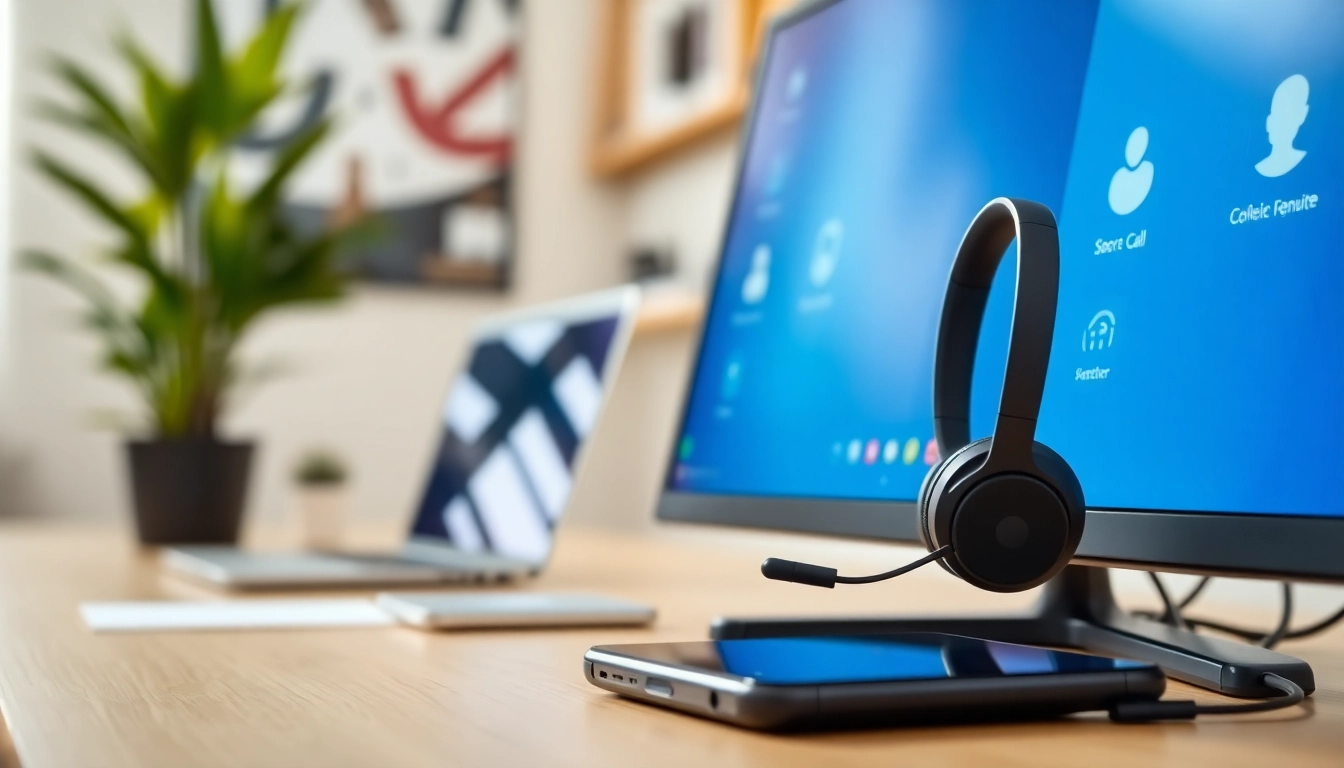
The Fundamentals of Remote Call Control
In today’s fast-paced digital world, maintaining seamless communication is essential for both personal and business interactions. One technology that has drastically improved how we manage our communications is remote call control. This innovative system allows users to manage phone calls from a distance, enhancing flexibility, efficiency, and productivity. But what exactly is remote call control? Let us delve deeper.
What is Remote Call Control?
Remote Call Control (RCC) refers to a technology or system that enables users to initiate, manage, and terminate phone calls from remote locations using various devices, such as computers, mobile phones, or dedicated softphone applications. This technology is especially valuable for professionals who need to manage calls while multitasking or working in a mobile environment, ensuring they never miss important communications.
The Evolution of Remote Call Control Technology
RCC technology has radically evolved over the years. Initially, users relied on basic call forwarding techniques, which allowed them to transfer calls to different numbers. As telecommunication technologies advanced, so did the capabilities of RCC. Early implementations involved bulky hardware and limited functionality. However, with the advent of VoIP (Voice over Internet Protocol) and unified communications platforms, remote call control systems have become far more sophisticated, integrating seamlessly with CRM software, enhancing call quality, and enabling greater user control.
Key Benefits of Implementing Remote Call Control
- Increased Flexibility: Users can answer calls from anywhere, which is particularly beneficial for remote workers or employees who frequently travel.
- Enhanced Productivity: RCC solutions often include features like call scheduling and automated responses, allowing users to manage communications more efficiently.
- Cost Efficiency: With RCC, businesses can reduce costs associated with traditional phone systems by utilizing internet-based technologies.
- Improved Customer Experience: Quick access to calls and seamless transitions between devices enhance customer interactions, leading to higher satisfaction rates.
How Remote Call Control Works
The Role of Software and Hardware
Remote call control primarily relies on sophisticated software applications, which function in tandem with hardware components. The software components include cloud-based platforms and apps that facilitate call management. On the hardware side, users typically utilize headsets, smartphones, or PCs designed for such functionalities, ensuring optimal audio quality and convenience.
Integration with Communication Platforms
To maximize its potential, remote call control systems are designed to operate within a variety of communication platforms, such as Microsoft Teams, Zoom, or dedicated VoIP services. This integration ensures that users can access RCC features without the need to switch applications constantly. As a result, managing calls while participating in meetings or collaborating with teams becomes more streamlined.
Connecting Multiple Devices for Enhanced Functionality
The ability to connect multiple devices using RCC platforms is one of its standout features. Users can answer calls on their desk phones, tablets, or smartphones interchangeably. For instance, if a call comes in while a user is working on their laptop, they can quickly transfer the conversation to their mobile device, providing uninterrupted service and enhancing multi-tasking capabilities.
Challenges and Solutions in Remote Call Control
Common Issues and Their Solutions
Despite its many advantages, implementing remote call control technology can pose several challenges, including connectivity issues, user adaptation to new systems, and integration complications with existing IT infrastructures. Solutions often include comprehensive training programs for users, consistent technical support, and establishing robust internet connectivity protocols to ensure smooth operations.
Maintaining Data Security with Remote Call Control
Data security remains a paramount concern in any communication technology. With RCC, calls and associated data must be protected from unauthorized access. It’s crucial to employ end-to-end encryption for calls, utilize secure login protocols, and regularly update software systems to shield against security threats and data breaches.
Ensuring Compatibility Across Devices
A significant challenge in deploying remote call control is ensuring compatibility across various operating systems and devices. Businesses should select RCC solutions that offer robust support for multiple devices, including different operating systems like Windows, iOS, and Android, thus enabling all employees to take advantage of the system regardless of their preferred technology.
Best Practices for Effective Remote Call Control
Maximizing Productivity with Advanced Features
Many RCC systems come equipped with a plethora of features designed to boost productivity, such as call analytics and advanced forwarding options. Organizations should encourage users to familiarize themselves with these functionalities to optimize their workflow, allowing them to engage in more productive business practices. Regularly reviewing call data can also help identify areas for improvement.
Training Staff on Remote Call Control Tools
Effective training programs are crucial for successful RCC implementation. Organizations should develop comprehensive training materials, including tutorials, video demonstrations, and hands-on workshops to help employees become adept at using RCC tools. Continuous training will empower users to utilize the technology to its full potential, reducing frustration and enhancing their experience.
Measuring the Success of Your Remote Call Control Strategy
To determine the effectiveness of a remote call control system, businesses must establish key performance indicators (KPIs) to measure success. KPIs can include call response times, customer satisfaction ratings, and overall call volume. Regular monitoring and adjustment based on these metrics assure that the RCC system meets the ever-evolving needs of the organization.
Future of Remote Call Control Technologies
Emerging Trends in Remote Call Control
The landscape of remote call control technology is continuously changing, yielding new trends that shape how we communicate. Influential trends include increased automation, artificial intelligence, and predictive analytics, which enhance RCC’s capabilities. Innovations such as AI-driven virtual assistants are expected to play a significant role, facilitating even more efficient call management and support.
Predictions for the Next Decade
Looking to the future, it’s anticipated that the reliance on remote call control systems will increase as more businesses embrace remote and hybrid work models. Consequently, RCC technologies will likely evolve, becoming more intuitive and integrated with conventional workflows. Natural language processing and advanced machine learning capabilities will enhance user experiences and streamline operations.
How to Stay Ahead in Remote Communication Tools
To maintain a competitive edge, organizations should stay alert to emerging technologies that complement remote call control systems. Regularly investing in the latest RCC solutions, providing ongoing employee training, and adapting to technological advancements will ensure that businesses maximize the benefits of remote communication tools while meeting the needs of their workforce and customers.
Frequently Asked Questions
What is remote call control?
Remote call control is a technology that allows users to manage phone calls from various devices, providing convenience and flexibility, particularly in remote work scenarios.
How does remote call control enhance productivity?
It enhances productivity by allowing seamless call management across devices, enabling multitasking and quick responses without being tied to a single location.
Is remote call control secure?
Yes, when properly implemented with encryption and secure login protocols, remote call control can be secure and protect sensitive data during communications.
Can remote call control integrate with existing systems?
Most advanced remote call control solutions can integrate with existing communication platforms, allowing for a cohesive user experience and streamlined operations.
What devices are compatible with remote call control systems?
Remote call control systems are typically compatible with a range of devices, including smartphones, tablets, and computers, across various operating systems.