
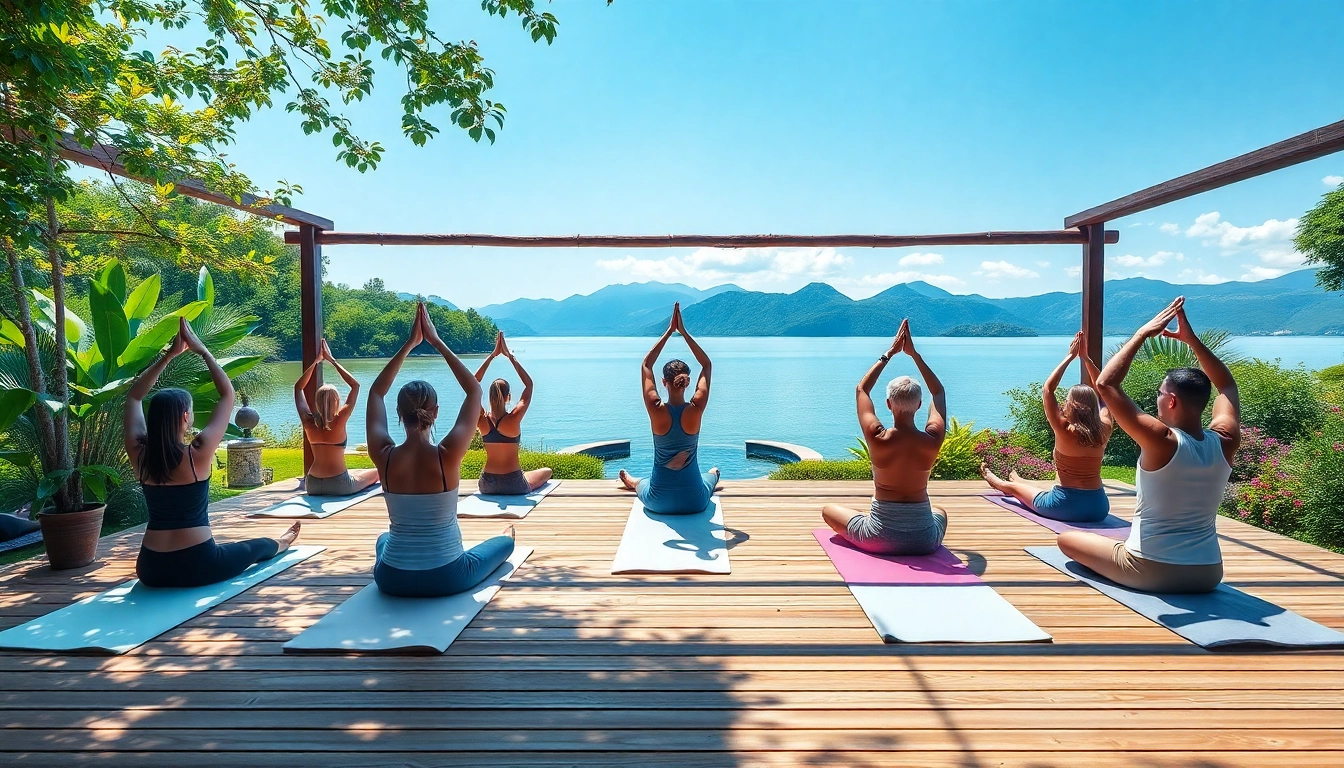
Understanding the Concept of Wellness Retreat
What is a Wellness Retreat?
A wellness retreat is an organized event or series of activities focused on enhancing well-being, providing an immersive experience in health-oriented practices. It encompasses a variety of holistic offerings, including yoga, meditation, nutrition workshops, and therapeutic activities, typically hosted in serene locations. Participants often seek to rejuvenate their minds, bodies, and spirits, disconnecting from their daily routines. Many retreats integrate elements of mindfulness and physical activity to foster a comprehensive approach to wellness.
Benefits of Attending a Wellness Retreat
Engaging in a wellness retreat offers numerous advantages, ranging from physical health improvements to profound mental clarity. Here are some key benefits:
- Stress Reduction: Retreats frequently incorporate meditation and relaxation techniques aimed at alleviating stress, helping participants return home refreshed.
- Enhanced Mental Clarity: The focused environment encourages introspection, aiding individuals in clearing mental clutter.
- Connection with Nature: Many retreats are situated in natural settings, promoting peace and grounding through connection with the environment.
- Physical Health Benefits: Activities such as yoga and healthy eating workshops can lead to improvement in fitness levels and overall health.
- Community Building: Participants often connect with like-minded individuals, fostering lasting friendships and a sense of belonging.
Common Activities at Wellness Retreats
A diverse range of activities characterizes wellness retreats. Typically, these include but are not limited to:
- Yoga and Meditation: Fundamental practices aimed at enhancing physical and mental well-being.
- Nutrition Workshops: Educational sessions focusing on healthy eating and dietary habits.
- Outdoor Activities: Hiking, walking, or other physical engagements encourage participants to connect with the environment.
- Mindfulness and Personal Development Sessions: Workshops that focus on self-discovery, goal setting, and managing stress.
- Spa Treatments: Options like massages and acupuncture often complement the wellness journey for relaxation.
How to Choose the Right Wellness Retreat
Identifying Your Goals for a Wellness Retreat
Before selecting a wellness retreat, it’s essential to pinpoint your objectives. Ask yourself what you hope to achieve during your time away. Are you looking for stress relief, fitness improvement, or spiritual growth? Having clear goals will guide your search and ensure you choose a retreat aligned with your aspirations.
Researching Destinations and Types
With numerous types of wellness retreats available, ranging from luxurious spa retreats to budget-friendly options, it’s crucial to research destinations thoroughly. Consider aspects such as accessibility, preferred climate, and the types of activities offered. Popular locations often include serene nature spots, beachside resorts, or tranquil countryside settings.
Factors to Consider When Selecting a Retreat
When finalizing your selection, consider the following aspects:
- Duration: Retreats can last anywhere from a weekend to several weeks; select one that fits your schedule.
- Instructor Credentials: Look into the expertise of those leading the retreat to ensure a quality experience.
- Group Size: Smaller groups can offer more personal attention, while larger ones may provide diverse interactions.
- Health Accommodations: Ensure the retreat can cater to any specific health needs you may have.
- Reviews and Recommendations: Seek feedback from past participants to gauge the quality of the retreat.
Preparing for Your Wellness Retreat
Packing Essentials for a Wellness Retreat
Preparation is key for maximizing your experience. Consider packing the following essentials:
- Comfortable Clothing: Bring attire suitable for yoga or outdoor activities, as well as casual wear for downtime.
- Yoga Mat: If the retreat doesn’t provide mats, bring your own to ensure comfort during practices.
- Personal Care Items: Include any toiletries or wellness products you use regularly, such as essential oils or meditation aids.
- Notebook and Pen: To record insights and reflections during workshops or personal journaling sessions.
- Reusable Water Bottle: Stay hydrated; some retreats encourage eco-friendly practices.
Setting Intentions Before Attending
Intention-setting is a powerful practice that can reshape your experience. Prior to your retreat, take time to reflect on what you wish to achieve. Whether it’s improving your mindfulness practice or enhancing your physical health, articulating these intentions can help you remain focused throughout your experience. Write them down and revisit them regularly, as they can guide your thoughts and actions during the retreat.
Mental Preparation for a Wellness Retreat
Approaching a wellness retreat with an open mind can significantly enhance its benefits. Prepare mentally by fostering a positive mindset, letting go of expectations, and being present in the moment. Engaging in mindfulness practices, such as meditation, prior to the retreat can help calibrate your mindset, leading to a more fulfilling experience.
Maximizing Your Experience at a Wellness Retreat
Engaging Fully in Activities
One of the best ways to leverage a wellness retreat is by fully engaging in its offerings. Participate wholeheartedly in activities, whether it’s yoga, workshops, or group discussions. Engaging actively allows for deeper personal exploration and enhances the chance of positive life changes post-retreat.
Strategies for Socializing and Networking
Connection with fellow participants can enrich your retreat experience. Strategies for effective socialization include:
- Initiate Conversations: Don’t hesitate to introduce yourself to others and discuss shared interests.
- Participate in Group Activities: Engage in group sessions or social events that facilitate connection.
- Share Experiences: Sharing personal stories can foster deeper bonds and provide mutual support.
Incorporating Lessons Learned into Daily Life
Post-retreat, it’s important to integrate the insights and lessons learned into your everyday routine. Create a plan to implement new habits or practices that resonate with you, such as maintaining a regular meditation schedule, practicing yoga, or proactively engaging in a community of wellness supporters. Simple reflection exercises can help you stay connected to your intentions.
Post-Wellness Retreat: Sustaining Your Journey
Reflecting on Your Wellness Retreat Experience
Taking time to reflect on your experiences after the retreat can clarify the impacts it had on your life. Consider journaling about your insights, feelings, and any shifts in perspective. This practice can help solidify your lessons learned and keep motivation high as you transition back into daily life.
Implementing Changes into Everyday Routine
Rather than letting insights fade, focus on incorporating them into your daily life. Establish new goals grounded in your retreat experiences. Whether it’s adopting a healthier diet, practicing mindfulness, or maintaining a regular workout schedule, set realistic targets that fit your lifestyle for a sustainable transformation.
Staying Connected with New Friends and Community
The connections formed during a wellness retreat can be a valuable source of ongoing support. Consider establishing a communication loop with fellow participants through social media groups or regular meet-ups. Building and maintaining a community provides encouragement and motivation to uphold your wellness journey.
FAQs:
Q1: What should I expect from a wellness retreat? A1: Expect relaxation, holistic activities, and opportunities for self-discovery and personal growth.
Q2: How long do wellness retreats usually last? A2: Wellness retreats can last from a weekend to several weeks, depending on the program.
Q3: Are wellness retreats suitable for beginners? A3: Yes, many wellness retreats welcome beginners and provide supportive environments.
Q4: What types of activities are offered? A4: Activities typically include yoga, meditation, nature walks, and wellness workshops.
Q5: How do I maintain wellness after the retreat? A5: Continue healthier habits and maintain connections with new friends from the retreat.