
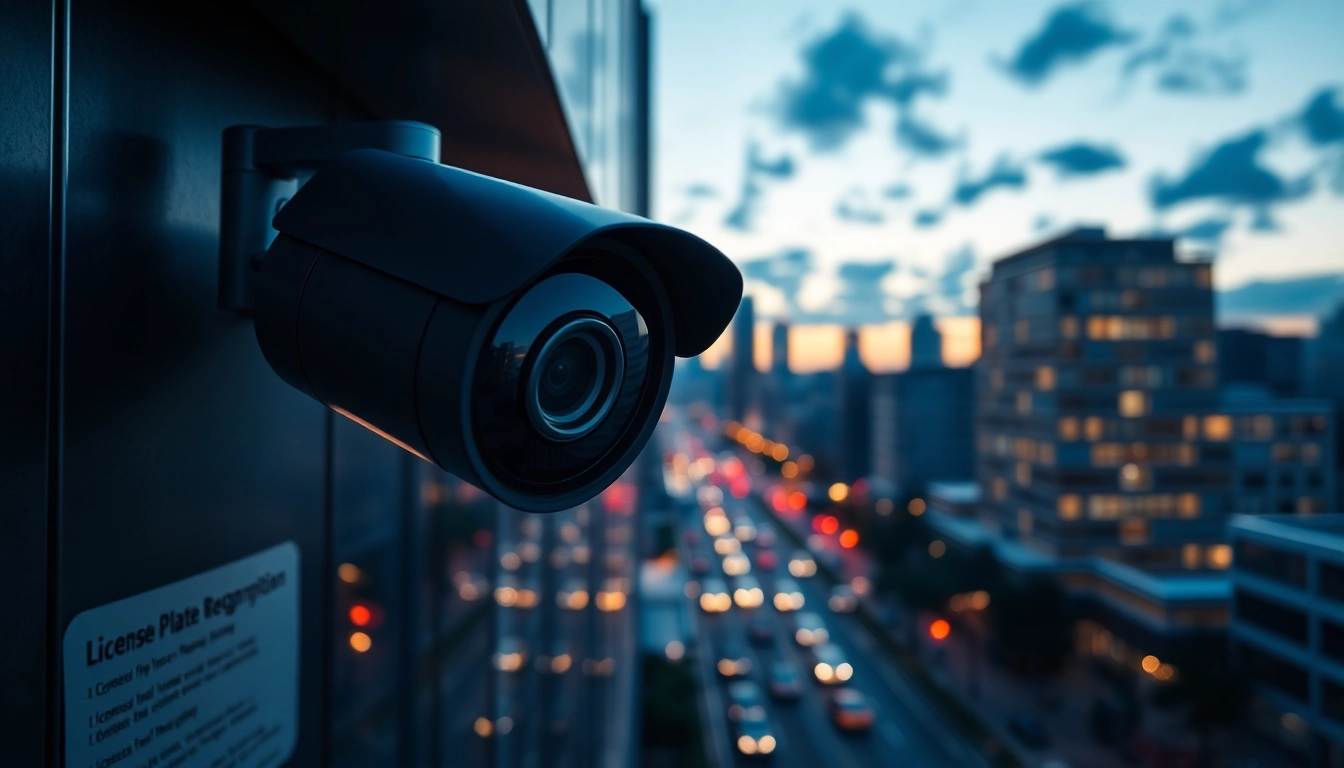
Introduction to License Plate Recognition Camera Technology
In an era where technology evolves at an unprecedented pace, the license plate recognition camera has emerged as a critical instrument in enhancing security and facilitating efficient traffic management. This innovative technology employs advanced imaging and analytical algorithms to read and process vehicle license plates automatically. Whether used in commercial settings, law enforcement, or personal security, license plate recognition lenses are becoming integral to modern surveillance systems. This article delves into the comprehensive workings, benefits, applications, choosing the right camera, and future trends of license plate recognition technology.
What is License Plate Recognition?
License Plate Recognition (LPR) is a technology that allows the automatic identification of vehicles based on their license plate numbers. This technique employs optical character recognition on images produced by a camera to transform license plate characters into machine-readable text. Often used in conjunction with CCTV surveillance, LPR systems enhance security measures and aid in vehicle tracking. Governments and businesses invest in this technology for various purposes, including enforcing traffic laws, monitoring parking facilities, and public safety measures.
Core Components of License Plate Recognition Cameras
Understanding the components of license plate recognition cameras is essential for making informed decisions about their use. The primary components include:
- High-Resolution Camera: Essential for capturing clear images of license plates, especially at varying distances and lighting conditions.
- Infrared (IR) Lighting: Facilitates nighttime operation by illuminating license plates without noticeable light, ensuring consistent functionality around the clock.
- Software Algorithms: These are the analytical brains behind the camera, processing the captured images to identify and extract license plate data efficiently.
- Data Storage Solutions: Systems are needed to store captured data securely for analysis and future retrieval. This allows for the historical tracking of vehicle movements.
Benefits of Implementing License Plate Recognition
Implementing license plate recognition technology provides various benefits:
- Enhanced Security: Provides an additional layer of security by monitoring vehicle access to restricted areas.
- Efficient Traffic Management: Helps manage parking facilities, automatically issuing tickets to unauthorized vehicles and improving flow in congested areas.
- Data-Driven Insights: Enables the analysis of traffic patterns and vehicle trends over time, informing policy and operational changes.
- Real-Time Alerts: Users can receive immediate notifications of suspicious activities, allowing for quick responses to potential threats.
How License Plate Recognition Cameras Work
Image Capture and Processing
License plate recognition cameras capture images of vehicles as they pass by. The initial step involves high-resolution image capture where motion blur and lighting conditions are mitigated using advanced optics. Following capture, the provided image undergoes a processing phase where software tools analyze aspects of the image like color, shape, and patterns to isolate the license plate area. The software then applies optical character recognition techniques to read and convert the colors and numbers on the plate into text data.
Data Storage and Analysis Techniques
Once data is captured, it must be effectively stored and analyzed. Modern systems utilize cloud-based storage solutions to manage vast amounts of data securely, allowing easy access and retrieval. Analytical tools sifting through this data can identify trends in vehicle movements, such as frequented areas and time patterns for specific vehicles. This data is particularly useful for law enforcement agencies monitoring criminal activity or traffic compliance.
Integration with Security Systems
License plate recognition cameras can seamlessly integrate with broader security systems, offering comprehensive surveillance options. Integration with alarm systems can provide real-time alerts if unauthorized vehicles enter restricted zones. Coordinating with other surveillance cameras allows for a holistic view of moving traffic, increasing the efficacy of security measures. Overall, such integrations significantly enhance situational awareness and operational effectiveness.
Applications of License Plate Recognition Cameras
Use in Law Enforcement and Public Safety
License plate recognition cameras play a pivotal role in law enforcement, enabling agencies to monitor and track stolen vehicles, apprehend suspects quickly, and ensure traffic law compliance. Many police departments employ these cameras for automatic ticketing, reducing human error, and improving efficiency in administrative processes. Additionally, LPR data aids in criminal investigations, providing vital evidence through vehicle movement tracking.
Commercial Applications and Benefits
The commercial usage of license plate recognition cameras is growing in sectors such as retail, real estate, and parking management. Control over parking lots can be streamlined, with LPR systems facilitating automatic entry, monitoring parking durations, and providing real-time audits. In retail environments, these cameras help understand customer flow by analyzing vehicle arrival times and peak visiting periods, thus optimizing staffing and inventory management.
Personal Security and Residential Usage
License plate recognition technology is not limited to commercial applications; homeowners increasingly utilize LPR systems to enhance personal security. By monitoring vehicles entering and leaving their properties, individuals can have detailed records for enhanced security. Additionally, residential LPR systems can alert homeowners if a registered vehicle enters or exits, providing peace of mind and responding measures should unauthorized vehicles appear.
Choosing the Right License Plate Recognition Camera
Factors to Consider in Selection
Choosing the appropriate license plate recognition camera involves various factors:
- Resolution: Cameras should have at least 1080p resolution to ensure clear image capture.
- Infrared Capability: Consider LPR cameras with robust IR functions for night-time efficiency.
- Field of View: Assess the area to be monitored and choose cameras with appropriate coverage.
- Data Processing Speed: Ensure the camera can process data quickly enough to keep up with traffic flow.
Comparing Features and Specifications
When comparing LPR cameras, analyzing features and specifications is crucial. Terms such as frame rate, operating temperature, and sensitivity can directly affect performance. Some cameras come with advanced features, including real-time alerts, built-in analytics, and long-range capturing abilities. Detailed specifications must align with project requirements to ensure optimal functionality.
Cost Implications and Budgeting
Budgeting for a license plate recognition camera system involves understanding both initial costs and ongoing expenses. While entry-level cameras can be obtained for under $200, professional-grade systems may reach thousands, depending on features and specifications. Continual costs, such as data storage, software licensing, and maintenance, should also be accounted for to give a complete financial picture.
Future Trends in License Plate Recognition Technology
Advancements in AI and Machine Learning
Future trends in license plate recognition technology point towards a significant integration of artificial intelligence (AI) and machine learning. These advancements will enhance the accuracy of character recognition, particularly in adverse weather conditions or when plates are partially obscured. Over time, AI can improve the overall efficiency of data analysis, leading to more insightful predictions for law enforcement and traffic management.
Integration with Smart City Initiatives
As metropolitan areas adopt smart city initiatives, integrating license plate recognition technology into urban infrastructure will be critical. Connected devices can share real-time data on traffic flow and vehicle counts, improving city planning and resource allocation. This integration also facilitates better transportation systems, adapting dynamically to changing traffic patterns and congestion levels.
Privacy Concerns and Regulatory Considerations
While license plate recognition technology offers numerous benefits, its implementation raises privacy concerns that must be addressed. Regulatory frameworks will need to evolve, establishing clear guidelines on data retention, sharing, and usage. Ensuring that the technology is used ethically will be paramount, with a focus on balancing law enforcement capabilities with citizens’ privacy rights.
FAQs
What are the main features of license plate recognition cameras?
License plate recognition cameras generally come with high-resolution imaging, advanced optics for clarity, real-time data processing, and analytics capabilities for efficient monitoring.
Are license plate recognition cameras effective for traffic monitoring?
Yes, these cameras significantly enhance traffic pattern monitoring, enforcement of regulations, and real-time vehicle tracking across various environments.
Can I install a license plate recognition camera at home?
Absolutely! These cameras can effectively enhance home security by monitoring vehicles entering or leaving your premises.
What data can license plate recognition cameras capture?
They capture license plate numbers, vehicle make and model, timestamps, and sometimes geographic locations for monitoring and analysis.
Are there privacy concerns with using license plate recognition technology?
Yes, concerns exist regarding the extensive data captured by these systems, raising issues related to surveillance, data retention, and consent.