What is Mining?
Definition of Mining
Mining is the process of extracting valuable minerals or geological materials from the earth. This includes materials such as metals, coal, and precious stones. Mining takes place in various forms and methods, depending on the resources being extracted and their geographical location. Understanding the essence of mining is crucial for grasping its impact on economies, societies, and the environment.
Types of Mining
Mining can be categorized into several primary methods, each suited to the type of resource being extracted:
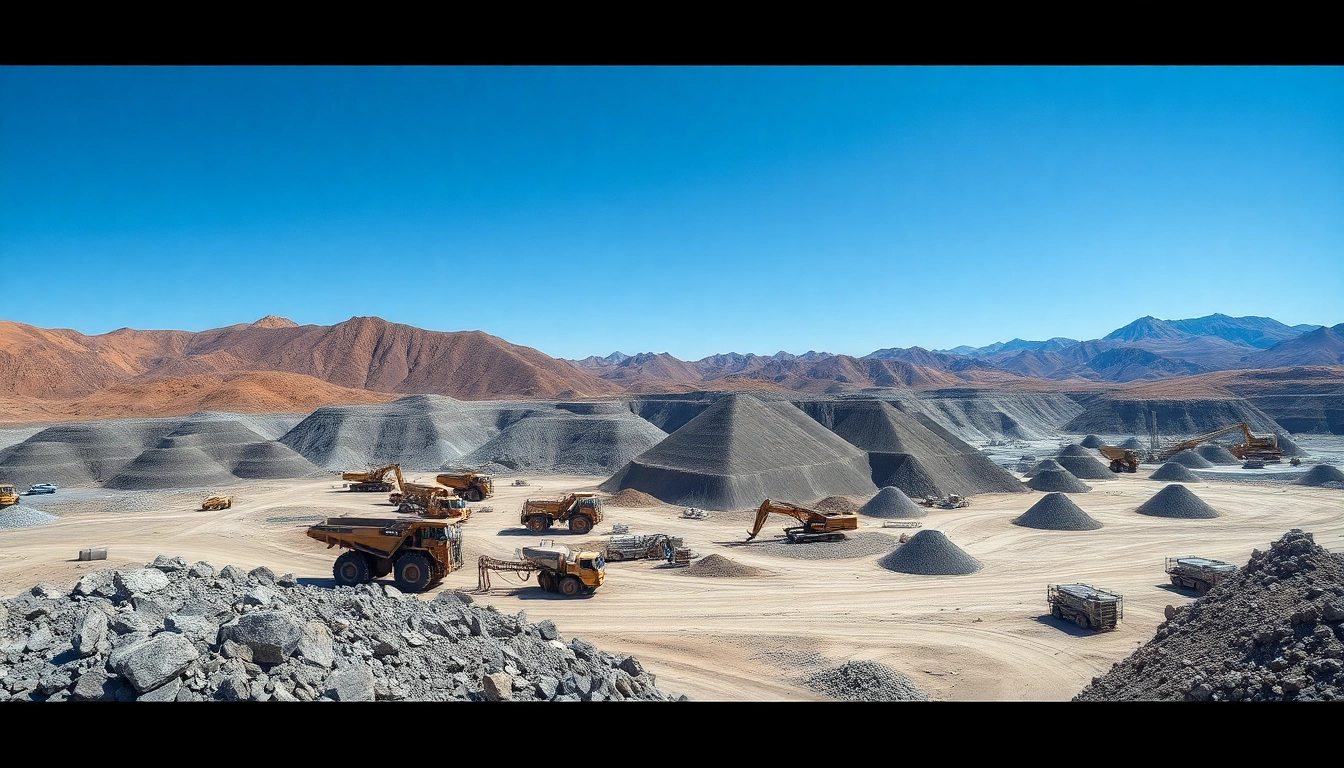
- Surface Mining: Involves removing soil and rock lying over a mineral deposit. Techniques include open-pit mining, strip mining, and mountaintop removal.
- Underground Mining: Used when minerals are located deep beneath the Earth's surface. This method includes room and pillar mining and shaft mining.
- Placer Mining: Involves extracting minerals from alluvial deposits, typically in riverbeds. This method often targets gold, gems, and other valuables.
- Solution Mining: Utilizes solvents to dissolve materials, then pumping the solution to the surface for extraction. This technique is commonly used for minerals like potash and brine.
History of Mining
The history of mining dates back to prehistoric times when early humans extracted stones, copper, and flint to create tools. Over the centuries, advancements in technology and techniques have transformed mining operations. The Industrial Revolution marked a significant shift, as mining began to fuel advancements in manufacturing, railways, and infrastructures. Today, mining remains vital for modern economies, providing the raw materials necessary for a wide range of industries.
The Mining Process Explained
Exploration and Site Assessment
Before any extraction can take place, a comprehensive exploration and assessment of potential mining sites are necessary. This process involves geological surveys, environmental studies, and feasibility analyses to determine the viability of mining operations. Advances in technology, such as remote sensing and geophysical methods, enhance exploration efficiency, allowing companies to locate deposits with greater accuracy.
Extraction Techniques
Once a site is deemed suitable, various extraction techniques are employed based on the geological characteristics of the resource. Surface extraction methods, such as open-pit mining, allow access to minerals close to the surface, while underground methods are reserved for deeper deposits. The choice of technique impacts operational costs, resource recovery rates, and environmental implications.
Restoration and Reclamation
Mining does not end with extraction; restoration and reclamation are critical phases aimed at reducing the environmental impact of mining activities. After the target resources are extracted, companies must rehabilitate the land by restoring habitats, replanting vegetation, and ensuring water quality. Successful reclamation requires planning and compliance with environmental regulations.
Environmental Impact of Mining
Positive Contributions to Local Economies
Mining plays a crucial role in local and national economies by creating jobs, stimulating economic growth, and providing essential raw materials. When conducted responsibly, mining can lead to infrastructure development, enhancing transportation and utilities in remote areas. Furthermore, revenue generated from mining often supports public services and local initiatives.
Negative Environmental Effects
Despite its economic benefits, mining poses severe environmental risks, including habitat destruction, water contamination, and soil erosion. These adverse effects can lead to long-term ecological imbalances, impacting biodiversity and local communities. Addressing these challenges is essential for sustainable mining practices that balance economic needs with environmental protection.
Sustainable Mining Practices
To minimize negative environmental consequences, the industry is increasingly adopting sustainable mining practices. These include reducing waste, implementing recycling measures, and employing eco-friendly technologies such as renewable energy sources. Sustainable mining aims to fulfill current resource needs while ensuring future availability, protecting ecosystems and local communities.
Economic Importance of Mining
Contribution to GDP
Mining contributes significantly to the Gross Domestic Product (GDP) of many countries, particularly those rich in natural resources. The extraction and processing of minerals create a ripple effect throughout the economy, supporting various sectors, including manufacturing and construction. A robust mining industry can enhance a country’s economic stability and global competitiveness.
Job Creation in Mining
The mining sector is a major source of employment, providing millions of jobs across a wide range of skills and professions, from engineers to laborers. Additionally, mining stimulates job creation in ancillary industries, such as transportation, equipment manufacturing, and environmental services. These job opportunities contribute to the livelihoods of communities and help develop local economies.
Minerals and Global Trade
Mining plays a critical role in global trade by supplying essential raw materials to various industries worldwide. Minerals mined for use in technology, construction, and renewable energy are vital for driving innovation and meeting market demands. Countries rich in natural resources often find themselves at the center of international trade dynamics, influencing global economic trends.
Future Trends in Mining
Technological Advancements
As the mining industry evolves, technological advancements are becoming integral to improving safety, efficiency, and environmental stewardship. Technologies like automation, artificial intelligence, and data analytics are transforming operations, enabling more precise extraction and better resource management. These innovations are essential for adapting to an increasingly competitive global landscape.
Challenges Facing the Industry
Despite technological progress, the mining industry faces numerous challenges, including fluctuating commodity prices, regulatory pressures, and environmental concerns. Navigating these issues requires strategic planning and innovation to ensure sustainability and profitability. Furthermore, maintaining a social license to operate is crucial amidst growing public scrutiny and environmental activism.
The Role of Renewable Resources
As the world shifts toward renewable energy sources, mining will increasingly play a role in supporting green technologies. Essential minerals for batteries, solar panels, and wind turbines are crucial for a sustainable future. The industry must adapt by balancing the needs for these resources with responsible mining practices, ensuring the availability and ethical sourcing of materials.
Frequently Asked Questions
What are the main types of mining methods?
The primary mining methods include surface mining, underground mining, placer mining, and solution mining. Each method is tailored to the geological conditions and types of minerals being extracted.
How does mining impact the environment?
Mining can lead to significant habitat destruction, soil erosion, and water contamination. Employing sustainable practices can help mitigate adverse environmental effects and promote restoration.
What is the economic significance of mining?
Mining is vital for economic development, contributing to GDP, creating jobs, and supplying essential materials for various industries that drive national economies.
What technologies are used in modern mining?
Modern mining utilizes technologies such as automated machinery, drones for surveying, data analytics for management, and environmental monitoring systems to enhance efficiency and safety.
What are the prospects for sustainable mining?
Sustainable mining focuses on minimizing environmental impact, improving resource efficiency, and implementing responsible waste management practices to ensure long-term resource availability.
For those interested in learning more about mining, its processes, implications, and future trends, understanding these facets is essential for navigating today’s complex economic and environmental landscape.