Understanding the Goechala Trek
What is the Goechala Trek?
The goechala trek is one of the most captivating trekking routes situated in the eastern Himalayas of Sikkim, India. It offers trekkers an unparalleled view of the majestic Kanchenjunga, the third highest mountain in the world, alongside a stunning panorama of the surrounding peaks. This trek is not just a physical challenge but also an exploration of the diverse landscapes, rich flora and fauna, and the cultural heritage embedded in these regions. Covering approximately 90 kilometers in 10 to 11 days, it is often considered a challenge that tests one’s endurance and spirit of adventure.
Geographical Overview of Goechala Trek
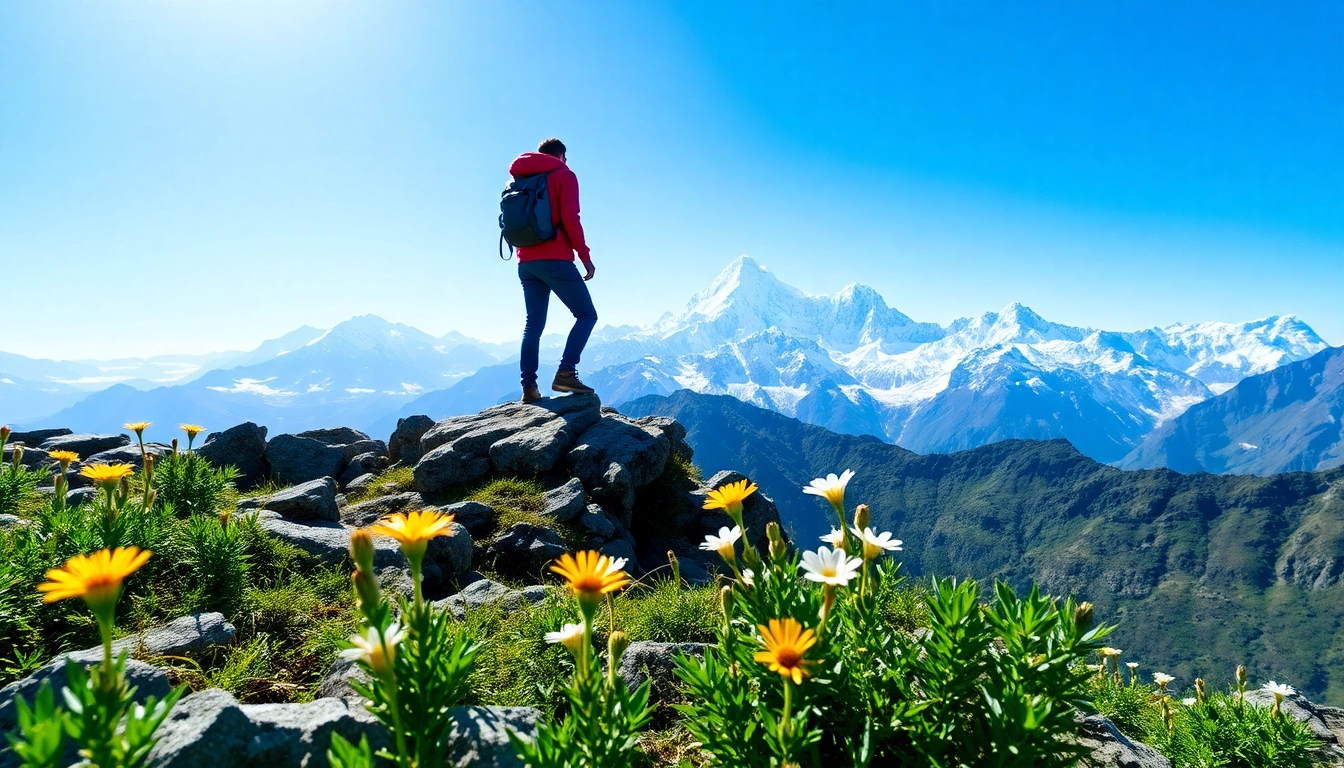
The Goechala trek starts from Yuksom, a serene village that serves as the gateway to the Kanchenjunga National Park. The trek traverses through lush forests, verdant meadows, and rocky terrains, leading to an elevation of around 4,940 meters at Goechala pass. This topography not only presents a magnificent view of snow-capped mountain ranges but also exposes trekkers to various climates as they ascend. The shifting landscapes are dotted with rhododendron forests, alpine meadows, and glacial lakes, making each segment of the trek a visual delight.
Significance of the Goechala Trek
This trek is immensely significant for both adventure enthusiasts and nature lovers. The Goechala trek is often recommended for its remarkable biodiversity and unique ecosystems found within the Kanchenjunga National Park. Furthermore, navigating through ancient monasteries, traditional villages, and experiencing the local culture offers trekkers not just a physical journey but also a cultural exploration. With 14 of the world’s highest peaks visible from its trails, it stands as a pilgrimage for mountain lovers and adventure seekers alike.
Preparing for the Goechala Trek
Physical Fitness Requirements for Goechala Trek
A successful Goechala trek demands a good level of physical fitness. The trek can be categorized as difficult due to its high-altitude conditions and rugged paths. To prepare physically, it is advisable to engage in endurance training that includes activities such as jogging, hiking, swimming, and cycling. Building up to longer hikes with considerable elevation gains can significantly improve stamina and prepare the body for the trek’s rigors. It’s recommended to focus on aerobic conditioning to cope with the trek’s durations and steep gradients effectively.
Essential Gear for Goechala Trekking
Having the right gear plays a crucial role in enhancing the trekking experience and ensuring safety. Essential gear includes:
- Clothing: Quick-dry clothing layers for temperature variations.
- Backpack: A comfortable 50-70 liter trek backpack to carry essentials.
- Sleeping Gear: A good quality sleeping bag and sleeping mat for comfort.
- Navigation Tools: A map, compass, or GPS device for navigation.
- Health and Safety: First aid kit, hydration packs, and purification tablets.
Additionally, carrying a camera for capturing the breathtaking views is also recommended!
Packing Tips for the Goechala Trek
Packing wisely can make or break your trekking experience. Here are some tips:
- Prioritize lightweight, multi-use equipment and clothing.
- Pack ample layers to adjust for changing weather conditions.
- Don’t forget snacks, energy bars, and electrolyte powders for burst energy during the trek.
- Ensure power banks or solar chargers for electronic devices.
- Consider waterproof cover for your backpack in case of unexpected rain.
Finally, always double-check to leave no essential gear behind, as limited access to stores can be found along the trekking route.
Itinerary and Route for Goechala Trek
Day-by-Day Breakdown of the Goechala Trek
The Goechala trek typically spans around 10 to 11 days, depending on the chosen itinerary and pace.
- Day 1: Arrive in Yuksom, where the trek begins after acclimatization.
- Day 2: Trek from Yuksom to Sachen, experiencing the first leg through dense forests.
- Day 3: Continue from Sachen to Tshoka, with beautiful sights of ancient monasteries.
- Day 4: Trek to Dzongri, commence acclimatization for the high altitudes.
- Day 5: Free day at Dzongri for acclimatization and exploration.
- Day 6: Start from Dzongri to Goechala, with stunning views en route.
- Day 7: Reach Goechala Pass for panoramic views, then return to Dzongri for rest.
- Day 8: Head back from Dzongri to Tshoka.
- Day 9: Trek back from Tshoka to Sachen.
- Day 10: Final descent back to Yuksom, with a celebratory gathering.
- Day 11: Depart from Yuksom.
Key Stops along the Goechala Trek Route
Throughout the Goechala trek, several notable stops enhance the experience:
- Yuksom: The starting point, rich in history with its monasteries.
- Dzongri: Offers a viewpoint for breathtaking sunrise vistas over Kanchenjunga.
- Thangsing: Located near a glacial lake, perfect for photography enthusiasts.
- Goechala Pass: The highlight, featuring 14 peaks visible on a clear day.
Highlighting Scenic Views on the Goechala Trek
The Goechala trek spoils trekkers with breathtaking views, such as:
- Kanchenjunga: A stunning backdrop that defines the trek.
- Mount Pandim: A breathtaking spectacle standing majestically.
- Singalila Range: Beautifully framed by lush forests.
- Starry Night Skies: Clear nights present an unforgettable stargazing opportunity at higher altitudes.
Challenges on the Goechala Trek
Understanding Trek Difficulty Levels
The Goechala trek is considered difficult primarily due to its elevation, challenging routes, and unpredictable weather. Trekkers should be prepared for steep ascents and rugged terrains, requiring both physical stamina and mental resilience. Navigating through rocky paths and potential altitude sickness makes thorough preparation essential.
Weather Conditions during the Goechala Trek
The weather during the Goechala trek varies significantly, with temperatures dropping as altitude increases. Rainfall is prevalent during monsoon months from June to September. The best seasons for trekking are typically pre-monsoon (March to May) and post-monsoon (October to November) when the skies are clearer, and the climate is more stable. Trekkers must stay updated with weather forecasts to plan accordingly.
Health and Safety Considerations
Prioritizing health and safety on the Goechala trek is crucial. Key considerations include:
- Proper acclimatization is essential to avoid altitude sickness.
- Maintain hydration levels and a balanced diet.
- Regularly monitor any signs of distress, including severe headaches or nausea.
- Travel with a guide or experienced team to ensure safety and navigation.
Being aware of these factors contributes greatly to a successful and enjoyable trekking experience.
Frequently Asked Questions about the Goechala Trek
How difficult is the Goechala trek?
The Goechala trek is classified as difficult, requiring good physical fitness. Trekkers should prepare for steep ascents and high altitude challenges. It demands stamina and mental resilience, making it suitable for seasoned trekkers.
What is the estimated cost for the Goechala trek?
The cost for the Goechala trek can vary significantly based on package deals. Typically, the budget ranges around ₹3000 for both onward and return journeys, plus gear and personal expenses.
When is the best time to undertake the Goechala trek?
The ideal time for the Goechala trek is between March to May and October to November. These months provide clearer skies, pleasant weather, and stable conditions, ensuring a better trekking experience.
What fitness preparation is required for the Goechala trek?
Preparation should focus on building endurance through aerobic activities like jogging, swimming, and cycling. Regular hiking with elevation will also enhance stamina and help acclimatization.
How long does it take to complete the Goechala trek?
The Goechala trek typically takes about 10 to 11 days, covering approximately 90 kilometers. Trek durations may vary with trekking pace and acclimatization needs.