
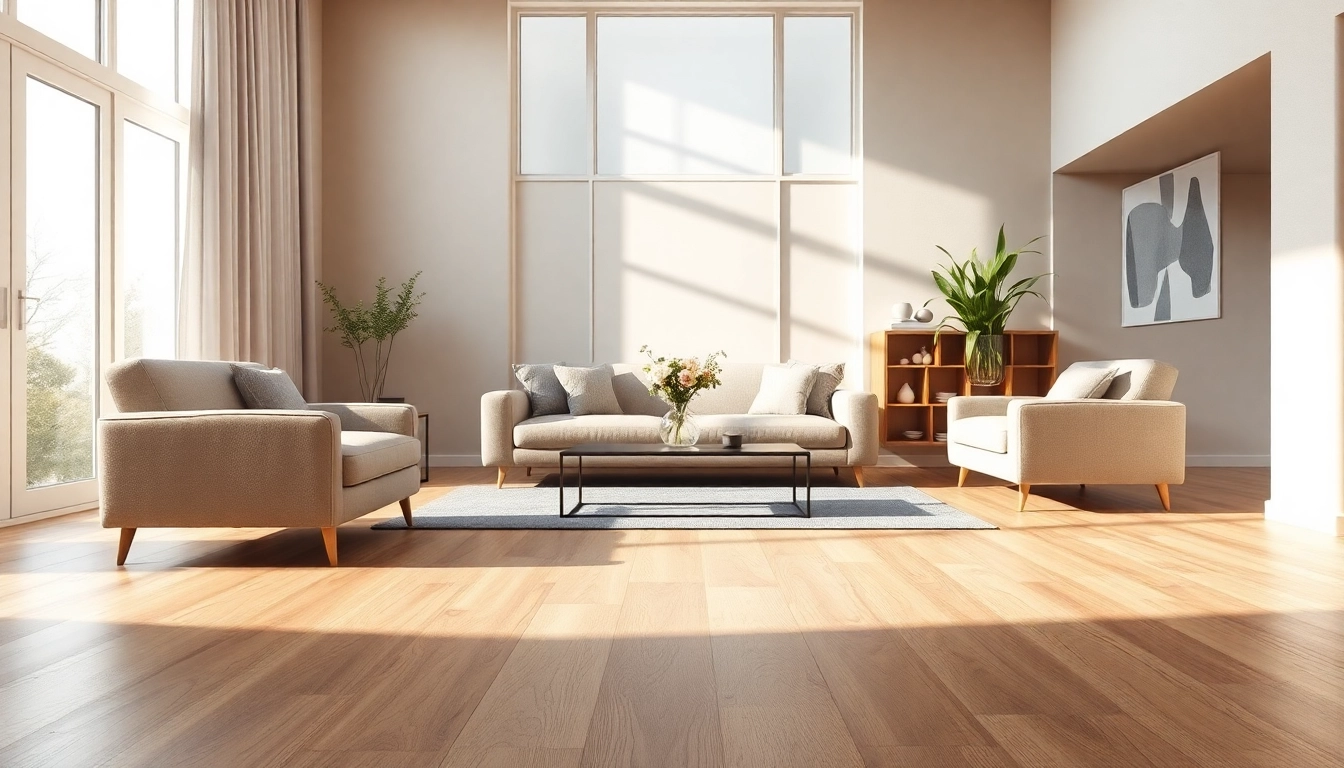
Understanding Quality Vinyl Flooring
What Is Quality Vinyl Flooring?
Quality vinyl flooring is a versatile flooring option that is designed to emulate the look of natural materials such as wood or stone while offering substantial durability and ease of maintenance. Made from multiple layers, including a wear layer, vinyl flooring is engineered to provide stability, resilience, and aesthetic appeal. Its construction generally includes a backing layer for comfort, a design layer that creates visual patterns or textures, and a protective wear layer that defends against scratches, dents, and fading. This combination of materials allows quality vinyl flooring to be an excellent choice for various environments, from residential homes to commercial spaces.
Benefits of Quality Vinyl Flooring
There are numerous benefits associated with installing quality vinyl flooring, making it a popular choice among homeowners and business owners alike. Here are some of the key advantages:
- Affordability: Compared to hardwood or natural stone, quality vinyl flooring is typically more budget-friendly while achieving a similar aesthetic.
- Durability: Quality vinyl flooring is resistant to scratches, stains, and dents, making it ideal for high-traffic areas.
- Water Resistance: Many vinyl products offer excellent water resistance, making them suitable for kitchens, bathrooms, and basements.
- Comfort: Vinyl flooring can feel softer underfoot and is warmer than tile or stone, enhancing comfort in living spaces.
- Variety: Available in a wide range of colors, patterns, and textures, quality vinyl flooring can complement any décor style.
- Easy Maintenance: Cleaning vinyl flooring is straightforward; regular sweeping and occasional mopping are usually enough to keep it in pristine condition.
Common Types and Patterns
Quality vinyl flooring comes in various types and patterns, each designed to meet specific needs and aesthetic preferences. The most common types include:
- Sheet Vinyl: Comes in large rolls and is ideal for seamless installations in spaces such as bathrooms or kitchens. Its waterproof nature makes it highly functional.
- Vinyl Plank Flooring: Resembling hardwood, this option offers a realistic look with easy installation, typically featuring a click-lock design.
- Vinyl Tile: Designed to mimic the look of ceramic or stone tiles, vinyl tiles provide excellent customization options, including size and finish.
Patterns can range from simple, solid colors to intricate designs that resemble natural textures. The variety allows homeowners to express their unique style while benefiting from the practical aspects of vinyl flooring.
Choosing the Right Quality Vinyl Flooring
Factors to Consider
When selecting quality vinyl flooring, it’s essential to weigh several factors to ensure you make the right choice for your space:
- Durability: Consider the wear layer thickness, which affects how well the flooring will withstand wear and tear. For high-traffic areas, a thicker wear layer is recommended.
- Texture and Finish: Decide on a texture (e.g., matte, gloss) and finish that suits your design preference and practical needs, especially in wet areas.
- Installation Method: Vinyl flooring can be loose lay, glue-down, or click-lock. Choose an installation method that fits your skills or consult a professional.
- Environmental Impact: Investigate the eco-friendliness of the vinyl flooring options, as some products are made with sustainable practices and contain recycled materials.
- Budget: Set a budget that includes not only the flooring cost but also potential installation fees and any necessary underlayment.
How to Match Flooring with Your Décor
Choosing the right quality vinyl flooring that complements existing décor can enhance the overall aesthetics of your space. Here are some tips:
- Color Coordination: Consider the color palette of your room. Light tones can make a space feel larger, while darker shades add warmth and intimacy.
- Style Harmony: Match the flooring style (modern, rustic, traditional) with your home’s character for a cohesive look.
- Contrasting Elements: Use contrasting flooring to create designated spaces in larger rooms, such as distinguishing a dining area from a living space.
- Use Samples: Always obtain samples before purchasing. This will allow you to see how the flooring looks at different times of the day and under various lighting conditions.
Assessing Environmental Impact
As environmentally conscious choices become more widespread, evaluating the sustainability of your vinyl flooring option is crucial. Key considerations include:
- Manufacturing Practices: Look for manufacturers who prioritize sustainable practices in their production processes.
- Materials: Some vinyl flooring is made with recycled materials, which can significantly reduce its environmental impact.
- Indoor Air Quality: Consider products with low volatile organic compounds (VOCs) to improve indoor air quality, benefiting both health and environment.
Installation Process for Quality Vinyl Flooring
Preparation of the Floor
A successful installation of quality vinyl flooring begins with proper preparation of the floor. This ensures that the flooring adheres correctly and performs as expected. Steps include:
- Clean the Area: Remove any dirt, debris, furniture, or old flooring to have a clean, smooth surface to work on.
- Check for Moisture: Test for moisture in the subfloor, as excess moisture can affect the adhesive. Use a moisture meter to ensure levels are acceptable.
- Level the Subfloor: Ensure the subfloor is level and repair any uneven spots with leveling compounds as needed. This step prevents future issues with the installed flooring.
Step-by-Step Installation Guide
Once the preparation is complete, follow these steps for the installation of quality vinyl flooring:
- Acclimatization: Allow the vinyl flooring to acclimate to the room temperature for at least 48 hours before installation.
- Lay Out Sections: If using planks or tiles, lay them out in sections to visualize the final look before adhering.
- Start in the Center: For a symmetrical look, begin installing the vinyl from the center of the room and work your way towards the edges.
- Adhesive Application: If installing glue-down vinyl, apply adhesive evenly as per the manufacturer’s instructions.
- Click-lock Method: For click-lock vinyl, simply align the planks at the edge and press down until they click into place.
- Trimming Around Edges: Use a utility knife to carefully trim panels around edges and corners for a clean finish.
- Install Baseboards: Once installed, reattach or install baseboards and molding to give your flooring a polished look.
Common Mistakes to Avoid
There are several mistakes that DIY enthusiasts or even professionals might make during installation. Here are some pitfalls to avoid:
- Neglecting Preparation: Skipping proper floor preparation can lead to uneven surfaces and premature wear.
- Ignoring Manufacturer Instructions: Always read and follow the installation instructions provided by the manufacturer for best results.
- Improper Acclimatization: Failure to acclimate the flooring can lead to warping or buckling once installed.
- Incorrect Adhesive Use: Using the wrong type of adhesive for your flooring can impact the durability and performance of the floor.
- Forgetting Transition Strips: Not using transition strips when changing to different flooring types can create tripping hazards.
Maintenance Tips for Quality Vinyl Flooring
Daily Cleaning Best Practices
Maintaining quality vinyl flooring doesn’t require extensive effort; simple daily cleaning can go a long way in preserving its condition:
- Sweep Regularly: Remove dirt and debris with a soft broom or vacuum to prevent scratching.
- Use Mild Cleaners: Clean with a mild pH-balanced cleaner and a damp mop; avoid abrasive substances that can damage the flooring.
- Spot Clean: Address spills immediately to prevent staining by wiping with a damp cloth or sponge.
Handling Scratches and Damage
Over time, even quality vinyl flooring can suffer from scratches or damage. Here’s how to handle these issues:
- For Minor Scratches: Use a color-matched vinyl repair kit to fill in scratches and blend them with the surrounding floor.
- For Deep Scratches: If scratches are too deep, consider replacing the affected plank or tile entirely.
- Preventing Damage: Use furniture pads under heavy furniture and avoid dragging items across the floor.
Long-Term Care Recommendations
To ensure your quality vinyl flooring lasts for many years, consider the following long-term care steps:
- Regular Maintenance Schedule: Establish a routine cleaning schedule, including deep cleaning every few months.
- Avoid Excessive Water: While many vinyl options are water-resistant, too much water can seep into seams. Use damp mops rather than soaking wet ones.
- Rotate Furniture: Changing the layout of your room occasionally can reduce wear patterns from heavy foot traffic.
Frequently Asked Questions About Quality Vinyl Flooring
Is quality vinyl flooring durable for high-traffic areas?
Yes, quality vinyl flooring is designed to withstand heavy foot traffic, making it a great choice for busy spaces.
Can quality vinyl flooring be installed over existing floors?
In most cases, quality vinyl flooring can be installed over existing floors, but proper surface preparation is crucial.
What is the average lifespan of quality vinyl flooring?
With proper care, quality vinyl flooring can last between 10 to 20 years, depending on the product and usage.
Is quality vinyl flooring waterproof?
Many types of quality vinyl flooring are water-resistant or even waterproof, making them suitable for kitchens and bathrooms.
How can I enhance the look of quality vinyl flooring?
Enhance the look by using area rugs, attractive baseboards, and coordinating furniture to create a cohesive design.