Understanding the daikin mini split ac
What is a daikin mini split ac?
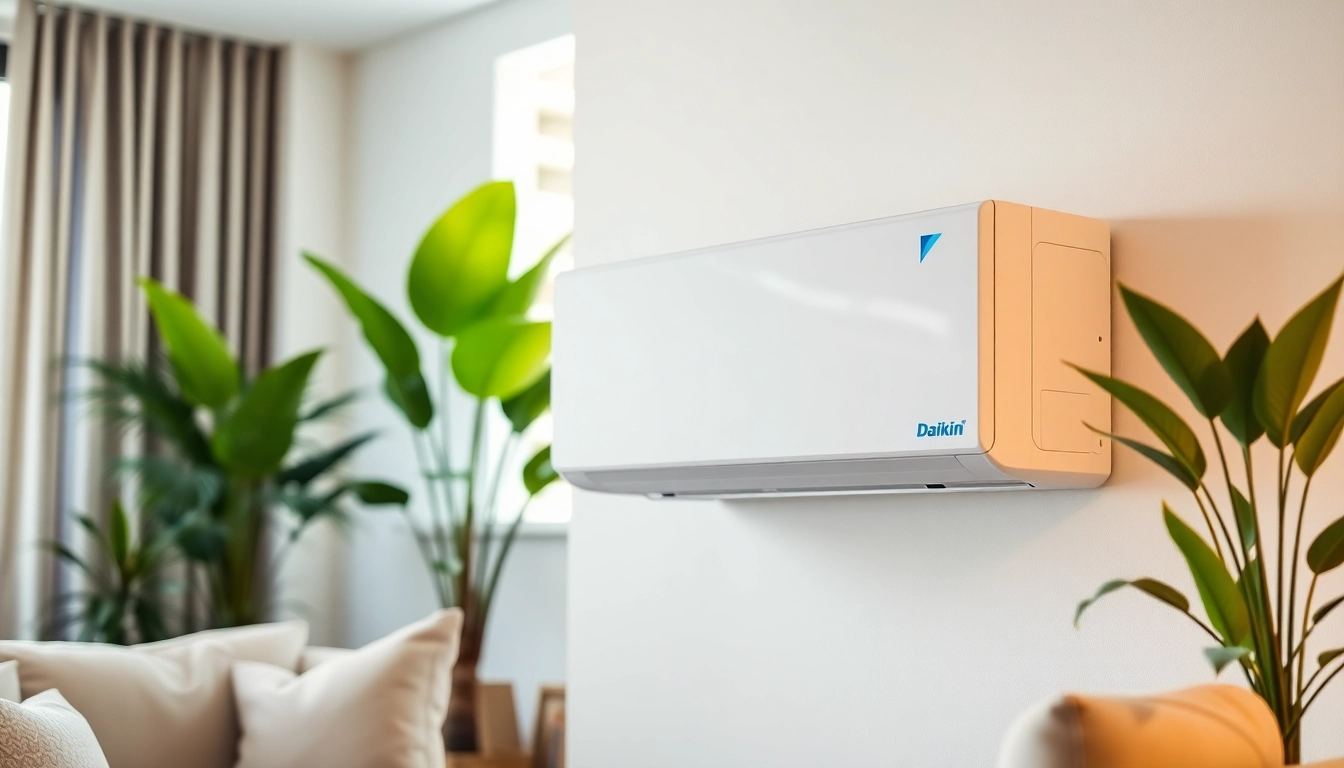
The daikin mini split ac is a modern heating and cooling solution designed to provide flexibility and efficiency in temperature regulation for residential and commercial spaces. Unlike traditional HVAC systems, mini split systems consist of both an indoor and an outdoor unit. They operate without ductwork, which often leads to energy loss, making them a popular alternative. By using advanced inverter technology, the daikin mini split ac offers enhanced performance, making it a favorite among those looking for efficient climate control.
Components and functionality of daikin mini split ac
The structure of a daikin mini split ac typically includes two main components: the indoor unit and the outdoor unit. The indoor unit is responsible for blowing cool or warm air into the space, while the outdoor unit contains the compressor and the refrigerant used for heat exchange.
The indoor unit comes in various styles, including wall-mounted, ceiling-mounted, or floor-mounted options, allowing for versatile installation to suit different aesthetics and functional needs. The outdoor unit is usually more robust, housing the compressor, condenser coil, and a fan to expel heat from the refrigerant cycle.
In operation, the system uses refrigerant to absorb heat from the indoor air, which is then transferred to the outdoor unit, where it is expelled. During the cooling process, the refrigerant is evaporated into gas indoors, then condensed back into a liquid outdoors. The efficiency of this process is what sets the daikin mini split ac apart, as it conserves energy while delivering superior climate control.
Efficiency ratings explained
Energy efficiency is a critical factor when choosing a cooling system. The daikin mini split ac is typically rated with Seasonal Energy Efficiency Ratio (SEER) for cooling and Heating Seasonal Performance Factor (HSPF) for heating. A higher SEER or HSPF rating indicates more energy efficiency, meaning lower energy consumption and cost savings in the long run.
For example, systems with a SEER rating of 16 or higher are considered to be high-efficiency units, which not only help reduce power bills but also have a lesser impact on the environment due to lower carbon footprints. It’s important to select a model that matches the specific cooling and heating demands of the space it will serve.
Key Benefits of the daikin mini split ac
Energy efficiency and cost savings
One of the standout features of the daikin mini split ac is its energy efficiency. With advanced inverter technology, these units can adjust the compressor speed based on the ambient temperature, leading to significant energy savings. Compared to traditional units, they consume less energy over time, helping users save on utility bills.
Moreover, the lack of ductwork associated with mini splits reduces the loss of energy that typically occurs through ducted systems. This not only saves money but also makes mini splits an environmentally friendly choice for home and business cooling.
Customizable comfort with zoning options
The capability for zoning is another major benefit of the daikin mini split ac. This feature allows different areas or rooms within a space to be heated or cooled independently, based on the user’s preferences. Zoning is particularly advantageous in multi-story homes or larger commercial buildings where temperature needs may vary significantly.
In practice, this means that if you are not using certain rooms at a given time, you can simply turn off the indoor units in those rooms, further enhancing energy efficiency and comfort. This level of customization ensures that every occupant can achieve their desired level of comfort without affecting others.
Quieter operation compared to traditional units
Another advantage of the daikin mini split ac is its quieter operation. Traditional central air conditioning systems often produce significant noise due to the size and mechanics of outdoor compressors and ductwork. In contrast, the indoor units of mini splits operate at much lower decibel levels, providing a more serene environment.
In fact, many daikin units operate as quietly as a whisper, making them suitable for bedrooms, offices, and any space where noise can be a distraction. This quiet operation contributes to a better quality of life, particularly in environments where peace and quiet are valued.
Installation Process for a daikin mini split ac
Choosing the right location for installation
Successful installation of the daikin mini split ac starts with selecting the ideal location for both the indoor and outdoor units. Important considerations include access to power sources, proximity to windows for natural light, and optimal airflow.
The outdoor unit should be placed in a well-ventilated area away from obstructions or debris, which could impair performance. For indoor units, avoiding walls that receive direct sunlight can enhance efficiency, and placing them in central locations ensures even distribution of air across the room.
Installation steps for a daikin mini split ac
The installation process for a daikin mini split ac involves several meticulous steps:
- Assess the space to determine BTU (British Thermal Unit) requirements based on square footage and insulation levels.
- Select appropriate indoor and outdoor unit models that meet these requirements.
- Mount the indoor unit on the wall and attach the necessary brackets, ensuring it is level.
- Install the outdoor unit on a solid, level surface, often elevated on a platform to avoid ground moisture.
- Connect the refrigerant lines, drain line, and electrical components between the indoor and outdoor units.
- Conduct a thorough system check to verify that everything functions correctly before finishing the installation.
Common installation challenges and solutions
Installing a daikin mini split ac is not without its challenges. Some common issues include improper sizing, which can lead to inefficient operation, and difficulties in running refrigerant lines. To address these issues:
- Always conduct a detailed load calculation to verify the required capacity of the system.
- Consider hiring a professional installer who has experience with the specific model being used to ensure compatibility and efficiency.
- Ensure to follow the manufacturer’s guidelines for refrigerant line installation to avoid any leaks or operational faults.
Maintenance Best Practices for the daikin mini split ac
Regular cleaning and filter replacement
To maintain optimal performance, regular cleaning and filter replacements are essential for the daikin mini split ac. Dust and debris can accumulate in filters and vents, reducing efficiency and air quality. It is recommended to clean or replace filters every 1-3 months, depending on usage and environmental conditions.
In addition to filters, the outdoor unit should be checked and cleaned of any obstructions such as leaves or dirt, which can hinder airflow and reduce efficiency. Routine maintenance not only prolongs the life of the system but also ensures the air quality in your space remains healthy.
Signs your daikin mini split ac needs professional help
There are several indicators that a daikin mini split ac may require professional attention. These include:
- Unusual noises or vibrations coming from either the indoor or outdoor units.
- Reduced airflow or noticeable temperature fluctuations within the space.
- Frequent breaker trips or electrical issues when operating the system.
- Excessive refrigerant leaks or coolant odors detected near the units.
If you notice any of these signs, it’s advisable to consult a licensed technician to diagnose and resolve potential issues proactively.
Seasonal checklists for optimal performance
Developing a seasonal maintenance checklist can help keep your daikin mini split ac running efficiently. Items to include may be:
- Check and replace filters before the summer and winter seasons.
- Inspect the outdoor unit for debris and clean coils.
- Test remote and wired controls for proper operation.
- Review ductless lines for any signs of wear or leaks.
- Schedule an annual professional inspection to ensure all components are functioning optimally.
Frequently Asked Questions about daikin mini split ac
What size daikin mini split ac do I need for my space?
The required size for a daikin mini split ac depends on the room’s square footage and insulation. Typically, a BTU calculator can help determine the needed capacity, often yielding a range of 9,000 to 24,000 BTUs for various spaces. Consulting professional installation services can ensure accurate sizing.
How efficient are daikin mini split ac systems?
Daikin mini split ac systems are highly efficient, often featuring SEER ratings of 16 or higher. This efficiency translates to lower energy costs compared to traditional systems and contributes to reduced environmental impact through minimized energy consumption.
Can I install a daikin mini split ac myself?
While DIY installation is possible, it is recommended to hire a professional for optimal performance and compliance with local building codes. Incorrect installation can lead to efficiency loss and potential system failure, negating the benefits of the unit.
How often should I maintain my daikin mini split ac?
Regular maintenance should occur at least twice a year, with filter replacements recommended every 1-3 months. Seasonal inspections are also advisable to ensure that the system operates efficiently, extending its lifespan and maintaining air quality.
What is the lifespan of a daikin mini split ac?
With proper installation and regular maintenance, a daikin mini split ac can last 15-20 years. Consistent care, such as cleaning filters and scheduling professional check-ups, significantly contributes to its longevity and overall performance.