
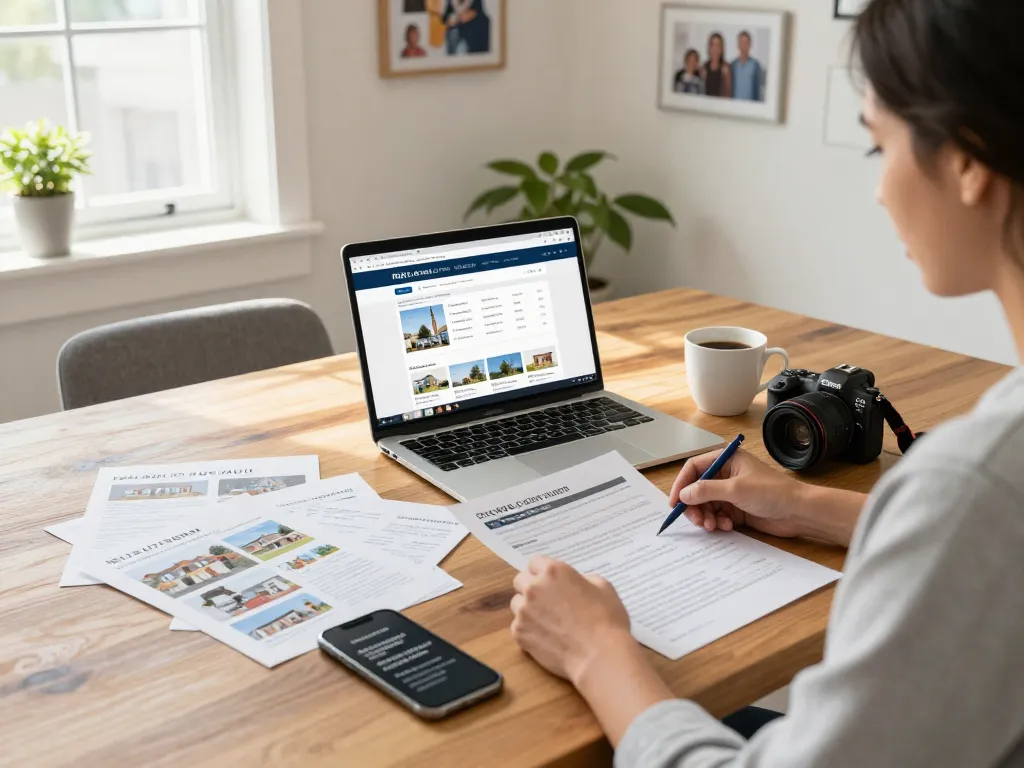
Understanding the FSBO Process: Selling Without a Realtor
Deciding to sell house without realtor can seem like a daunting task for many homeowners. The traditional route often involves hiring a real estate agent, but for some, this isn’t the best option. Whether you’re looking to save on commission fees or prefer to have full control over the sales process, understanding the FSBO (For Sale By Owner) process can empower you. This guide will walk you through the benefits of FSBO, common misconceptions, and essential steps for navigating the selling process without the assistance of an agent.
What is FSBO and Its Benefits?
FSBO stands for For Sale By Owner, a method where homeowners sell their property directly to buyers without involving a realtor. This approach comes with several benefits:
- Cost Savings: By cutting out the middleman, sellers can save on commission costs that typically range from 5% to 6% of the sale price.
- Full Control: Homeowners have complete control over the pricing, marketing, and negotiation processes.
- Direct Communication: Sellers can communicate directly with potential buyers, allowing for immediate feedback and decision-making.
- Flexibility: The selling process can be tailored to the seller’s needs, enabling them to set their own timeline.
Common Misconceptions About FSBO Sales
Despite the advantages, many misconceptions surround the FSBO process that can deter homeowners:
- Lower Sale Prices: There’s a common belief that homes sold without a realtor fetch lower prices. However, with proper research and marketing, FSBO properties can sell for competitive prices.
- Complexity of the Process: While selling without a realtor requires more effort, many tools and resources are available to assist sellers in navigating paperwork and best practices.
- Difficulty in Negotiations: Some believe they lack negotiation skills compared to realtors. However, with preparation and knowledge, homeowners can negotiate effectively.
Steps to Successfully Navigate the Selling Process
Successfully selling your home without a realtor requires a strategic approach. Here are the essential steps homeowners should follow:
- Research Your Market: Understand the local real estate market, including comparable property prices.
- Set a Competitive Price: Price your home based on its value, condition, and comparable sales.
- Prepare Your Home for Sale: Ensure your home is in good condition, clean, and well-staged.
- Market Your Property: Utilize various platforms, from online listings to social media, to reach potential buyers.
- Handle Showings: Be prepared to show the property to prospective buyers and answer their questions.
- Negotiate Offers: Be ready to negotiate with buyers and consider all offers carefully.
- Close the Deal: Work with a real estate attorney or closing company to finalize paperwork and ensure a smooth transaction.
Preparing Your Home for Sale
Assessing Your Home’s Value Independently
Determining the right price for your home is critical in the selling process. Homeowners should conduct a thorough comparative market analysis (CMA) by researching similar homes that have recently sold in their area. Online valuation tools and websites can provide a rough estimate, but nothing beats the local insight from experienced neighbors or real estate analysts. Consider consulting a professional appraiser if you want a more precise valuation.
Effective Home Staging Techniques
Home staging can significantly impact how quickly your home sells and at what price. Key staging tips include:
- Declutter: Remove excess furniture and personal items to create a spacious environment.
- Neutralize: Use neutral colors for paint and decor to appeal to a broader audience.
- Fix Minor Repairs: Address any small repairs, such as leaky faucets or chipped paint, to present a well-maintained home.
- Create Inviting Spaces: Ensure the home is well-lit, clean, and free of odors when showcasing it to potential buyers.
Photography Tips for Listings That Stand Out
First impressions matter in real estate, making high-quality photography essential for online listings. Here are some tips:
- Use Natural Light: Take photos during the day with natural light to enhance your home’s appeal.
- Highlight Unique Features: Focus on the features that make your home unique, like a fireplace or a spacious kitchen.
- Consider a Professional Photographer: If your budget allows, hire a professional to ensure stunning visuals.
- Showcase the Surroundings: Include images of the neighborhood and local amenities to give buyers a sense of the area.
Marketing Your Property
Best Platforms for Listing Your Home
Marketing your home effectively requires using the right platforms. Key options include:
- Online Real Estate Websites: Listing your property on sites like Zillow, Realtor.com, or Craigslist can give your home significant visibility.
- Social Media: Leverage platforms like Facebook and Instagram to showcase your home to friends and followers.
- Local Classifieds: Don’t overlook traditional methods like local newspapers or community bulletin boards where you can place ads.
Leveraging Social Media for Maximum Exposure
Social media is a powerful tool for reaching potential buyers. Consider these strategies:
- Engaging Posts: Create engaging content that highlights your home’s features, such as videos or virtual tours.
- Targeted Ads: Utilize targeted advertising options on social media platforms to reach potential buyers in your area.
- Join Local Groups: Participate in community groups where you can share your listing and connect with interested buyers.
Crafting Compelling Property Descriptions
Your property description serves as your marketing pitch, so make it compelling. Include:
- Key Features: Highlight the number of bedrooms, bathrooms, and any notable amenities.
- Local Highlights: Mention nearby schools, parks, and attractions that make your neighborhood desirable.
- Emotion and Lifestyle: Use descriptive language to evoke emotions and help potential buyers envision living in your home.
Negotiation Strategies and Closing the Sale
How to Handle Buyer Inquiries and Offers
Effective communication with potential buyers is crucial. Be prompt and transparent when responding to inquiries. Always be prepared to answer questions about your home, its history, and any repairs or renovations you’ve made. This builds trust and facilitates smoother negotiations.
Tips for Effective Negotiation Without an Agent
Negotiating without a realtor can be challenging, but it’s certainly possible:
- Be Prepared: Know your bottom line and be ready to make concessions.
- Listen Actively: Understand the buyer’s motivations and concerns to tailor your negotiations accordingly.
- Stay Professional: Keep emotions in check and maintain a professional demeanor throughout the process.
Understanding Legal Paperwork in Real Estate Transactions
Real estate transactions involve various legal documents that must be completed accurately:
- Purchase Agreement: A legally binding document that outlines the terms of the sale.
- Title Report: Provides details on the property’s ownership and any liens or other claims against it.
- Disclosure Forms: These forms inform the buyer of any known issues with the property.
Post-Sale Considerations
Tax Implications of Selling Your Home
Tax implications can arise from selling your home. Depending on your situation, you may need to pay capital gains tax if your home has appreciated significantly. It’s essential to consult with a tax professional to understand your obligations and ensure compliance.
How to Handle Any Disputes After Sale
Even after a sale, disputes can arise. It’s crucial to document everything during the selling process. If a dispute does occur, consider mediation as a first step before resorting to legal action, which can be costly and time-consuming.
Future Trends in Real Estate Selling Practices
The real estate market continues to evolve, and several trends are emerging:
- Increased Technology Use: Tools such as virtual reality and AI-driven platforms are changing how homes are marketed and sold.
- Sustainable Practices: Homebuyers are increasingly interested in energy-efficient and sustainable homes.
- Remote Negotiations: With the rise of remote communication, virtual showings and negotiations are becoming the norm.